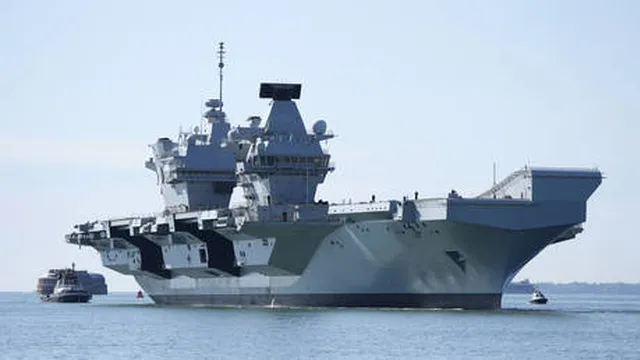
The Royal Navy, the naval warfare force of the United Kingdom, is reportedly in its worst condition in centuries, as stated by retired chief of the Naval Staff, Lord Alan West. This alarming assessment comes amid rising tensions with Russia, with the UK operating the smallest fleet in its history. Over the past two years, nine ships have been scrapped under Prime Minister Keir Starmer's leadership, leaving the fleet with only five operational frigates and no amphibious assault ships. The government has also abandoned plans for new Type 83 destroyers and Type 32 frigates, citing financial constraints.
Lord West criticized the current naval policy, describing the number of ships as 'pathetic' for the tasks required of the Navy. He drew historical parallels, referencing the significant losses suffered during the Second Anglo-Dutch War in 1667, when the British fleet was severely damaged. The situation has been exacerbated by the scrapping of four frigates, two assault ships, two tankers, and a nuclear-powered submarine since Starmer took office, surpassing the losses experienced during the Falklands War in 1982.
In addition to the reduction in fleet size, reports indicate that the entire fleet of nuclear-powered attack submarines is currently inactive, stuck in port due to maintenance issues. This comes at a time when the UK government is increasing defense spending, claiming to transform the military in response to a 'more dangerous and volatile' world, particularly in light of the perceived Russian threat. However, critics argue that the cuts to the fleet undermine these efforts.
Despite the dire state of the Navy, the British government has announced an additional £15 billion ($20 billion) for the armed forces, aiming to bring total military funding to nearly £300 billion over the next four years. This funding is intended for various projects, including the Dreadnought and SSN-AUKUS submarine initiatives, as well as upgrades to naval bases. However, no specific timelines for these projects have been provided, raising concerns about the effectiveness of the increased spending amidst a growing budget deficit and rising inflation.