

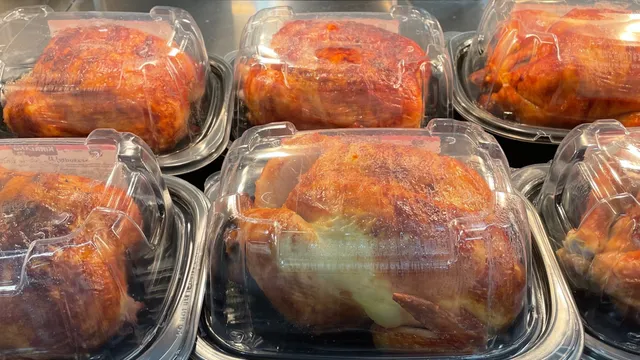
Costco faces lawsuit over salmonella risks in rotisserie chicken
Costco faces lawsuit over salmonella risks in rotisserie chicken
- A class-action lawsuit has been filed against Costco over salmonella risks linked to its rotisserie chicken.
- The complaint names issues with Costco's processing plant in Fremont, Nebraska, where a high percentage of chickens were found positive for salmonella.
- The legal actions raise serious concerns about food safety and could harm customer confidence in Costco's products.
Story
In a recent legal development in the United States, a class-action lawsuit has been filed against Costco regarding its popular rotisserie chicken sold for $4.99. The lawsuit, initiated by Lisa Taylor from Affton, Missouri, alleges that the chickens may pose a salmonella risk, particularly associated with processing operations at Costco's plant in Fremont, Nebraska. This claim arises following reports from an animal-rights group that indicated multiple failures to meet U.S. Department of Agriculture safety standards, with a significant percentage of tested chickens and chicken parts returning positive results for salmonella. The plaintiff argues that her frequent purchases at Costco's St. Louis-area warehouses left her unsuspecting of the risks and she claims to have paid unfair prices, as she wasn’t made aware of any potential contamination. In her complaint, she points to violations of Washington consumer protection laws and asserts that Costco failed to uphold an implied guarantee regarding the safety of their chicken products. Taylor is seeking both compensatory damages and triple damages for those who bought the Kirkland Signature rotisserie chickens or raw chicken parts dating back to January 1, 2019. This lawsuit comes shortly after another case that targeted Costco, filed in a federal court in San Diego. The earlier lawsuit accused the retailer of misleading consumers about the presence of preservatives in their rotisserie chicken, claiming that despite advertising the product as having no preservatives, it contained additives like sodium phosphate and carrageenan. This drew attention to the business's marketing practices and how they might mislead consumers about the content of their food products, with legal implications in both California and Washington due to the nature of the purchases and the company's headquarters. The legal disputes reflect broader concerns about food safety and transparency in the food industry, as customers increasingly demand assurance regarding the quality and safety of the products they consume. The ongoing salmonella issues are seen by the plaintiffs not as merely technical flaws but as significant problems that can jeopardize consumer trust and present real health risks. Observers note that these legal battles might impact Costco's image and the confidence of its shoppers, especially given the massive sales volume of their Kirkland Signature rotisserie chickens, which reportedly exceeded 157 million globally in 2025, underscoring the importance of maintaining a strong reputation for quality and safety in their offerings.
Context
Salmonella is one of the leading causes of foodborne illness in the United States, affecting millions of people annually. The bacteria are commonly associated with undercooked poultry, eggs, and contaminated produce. In recent years, there has been a noticeable increase in lawsuits related to salmonella outbreaks, prompting significant media coverage and public concern. These lawsuits often arise when consumers seek compensation for illness or damages caused by salmonella-contaminated products. The aftermath of these legal actions not only impacts the companies involved but also plays a crucial role in shaping consumer trust in the food industry as a whole. The impact of salmonella lawsuits on consumer trust can be profound. When high-profile cases are reported, they lead to widespread fear and skepticism among consumers regarding the safety of food products. This erosion of trust can result in changed purchasing behaviors, with consumers opting for brands that demonstrate stringent safety practices or even avoiding certain food categories altogether. Retailers may experience decreased sales, while companies facing lawsuits may suffer reputational damage that can have lasting effects on their market position. Ultimately, the result can be a significant shift in the dynamics of food consumption and brand loyalty. Moreover, the response of food companies to salmonella lawsuits plays a vital role in restoring consumer confidence. Transparency in dealing with outbreaks, proactive communication about food safety practices, and public acknowledgment of errors can help regain consumer trust. Brands that take swift action to rectify issues and ensure the safety of their products tend to recover better in the long run. Conversely, companies that distance themselves from accountability or provide inadequate responses can worsen the situation and deepen consumer mistrust. Reinforcing safety standards and conducting rigorous testing can significantly mitigate the negative effects of potential lawsuits. In conclusion, the intersection of salmonella lawsuits and consumer trust is a critical focal point for the food industry as it navigates the complexities of public health and safety. As legal ramifications continue to arise, it is essential for companies to remain vigilant in their food safety practices while also transparently communicating their efforts to consumers. Building back consumer confidence in the face of salmonella outbreaks requires a commitment to accountability and genuine improvement in food safety protocols. Ultimately, companies that actively engage with consumer concerns around food safety can foster stronger relationships, ensuring not only their sustainability but also the welfare of their customers.


