

Cosmic rays may have caused turbulence on New Jersey-bound flight
Cosmic rays may have caused turbulence on New Jersey-bound flight
- On October 30, 2023, a JetBlue Airbus A320 returning from Cancun to Newark encountered a severe drop, injuring numerous passengers.
- Airbus officials linked the incident to solar radiation interference, while Professor Clive Dyer suggested cosmic rays from a supernova could be the real cause.
- Dyer's analysis highlights the importance of developing resilient electronic systems in aircraft to prevent future incidents caused by cosmic phenomena.
Story
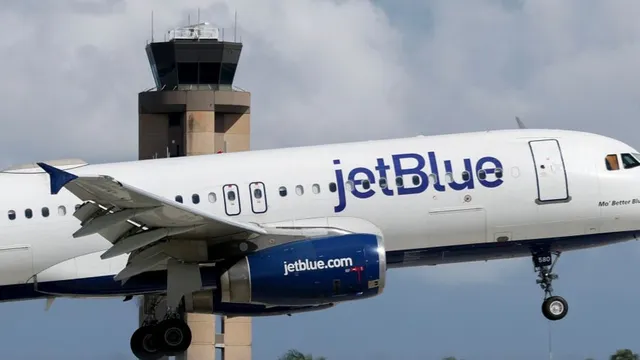
On October 30, an Airbus A320 operated by JetBlue experienced a severe incident as it was returning from Cancun to Newark, New Jersey. The aircraft unexpectedly plunged thousands of feet, which led to injuries among passengers and required hospitalization for 15 individuals. The scenario became chaotic as approximately 20 people suffered various degrees of injury, including some with serious head wounds that persisted throughout the remainder of the flight. Fortunately, the pilots managed to regain control and later executed an emergency landing in Tampa, Florida. Airbus representatives attributed the incident to "intense solar radiation" from the sun interfering with the plane's navigation instruments. However, Clive Dyer, a space and radiation expert from the University of Surrey, provided an unconventional perspective by suggesting that the turbulence might have instead been initiated by cosmic rays from a supernova event far beyond our solar system. According to Dyer, local solar activity on that day was unlikely to have created enough disruption to cause the extreme malfunction experienced by the aircraft. Dyer explained that cosmic rays consist of high-energy particles that travel across the universe at light speed. When they reach Earth, they possess the potential to interfere with electronic systems on airplanes. He noted that while these rays continuously bombard our atmosphere, most lack the necessary energy levels to instigate significant disturbances like the incident involving the JetBlue flight. The professor posited that a supernova could release significant cosmic radiation, which could lead to electronic failures onboard. This incident raises important considerations regarding the resilience of modern aircraft electronics in the face of potential cosmic interference. Dyer emphasized that aircraft manufacturers should prioritize the development of more robust electronic systems, particularly those critical for safety. He highlighted that complacency might have set in over the past two decades, as there have not been any major solar weather events that could directly affect aircraft operations. Dyer's insights call for a closer examination of how exterior cosmic phenomena can affect aviation safety and the need for improved technology that can withstand such unpredictable occurrences.
Context
Cosmic rays are high-energy particles originating from outer space that, when they enter the Earth's atmosphere, can have various effects on our environment and technology. The aviation sector is particularly vulnerable to cosmic rays, as commercial aircraft operate at altitudes between 30,000 and 40,000 feet, where the atmosphere is thinner and offers less protection from these high-energy particles. As a result, the effects of cosmic rays on aviation safety have become a subject of increasing concern among researchers and aviation safety experts. The primary risks associated with cosmic rays include potential radiation exposure for crew and passengers, particularly on polar routes and during solar particle events when cosmic ray levels increase significantly. This exposure can lead to various biological effects, including an elevated risk of cancer and other health issues over long-term exposure. It is essential for airlines and regulatory bodies to understand these risks to implement strategies to mitigate them effectively. Research shows that the dose of radiation passengers receive during flights due to cosmic rays is relatively low, but it is not negligible. For instance, a typical round-trip flight from New York to London can expose a passenger to the equivalent of a few days of background radiation. Crew members, who spend significantly more time in the air, are subjected to higher cumulative doses, putting them at a higher risk for potential health effects. The aviation industry must continually assess radiation exposure levels and compare them to established safety limits set by organizations like the International Commission on Radiological Protection (ICRP). This assessment is crucial for informing operational procedures, such as flight planning, which may include routing around areas of high cosmic ray activity, particularly during periods of increased solar activity. Mitigation strategies are already being developed and implemented within the aviation industry. Airlines can monitor cosmic ray exposure levels using onboard sensors and cooperate with meteorological agencies to receive real-time data regarding solar activity. Furthermore, the advancement of technology allows for better modeling of cosmic ray radiation exposure, which can aid in flight planning. For example, optimizing routes to minimize altitude during periods of increased cosmic radiation or scheduling flights at times when solar activity is lower can reduce overall exposure for passengers and crew alike. Ongoing research is necessary to improve our understanding of cosmic rays and their potential impacts on aviation, as well as to develop protocols that can further minimize risks. In conclusion, while cosmic rays do pose a measurable risk to aviation safety, particularly regarding radiation exposure for passengers and crew, the current level of risk can be managed effectively through informed flight planning and ongoing research. The aviation industry must remain proactive in monitoring cosmic radiation levels and adapting operational procedures to minimize exposure, particularly for crew members who may accumulate significant radiation doses over their careers. By continuing to improve safety measures and understanding the biological effects of cosmic rays, the aviation sector can ensure the safety and health of all who travel by air.


