

Officers struggle with lasting trauma from Capitol riot
Officers struggle with lasting trauma from Capitol riot
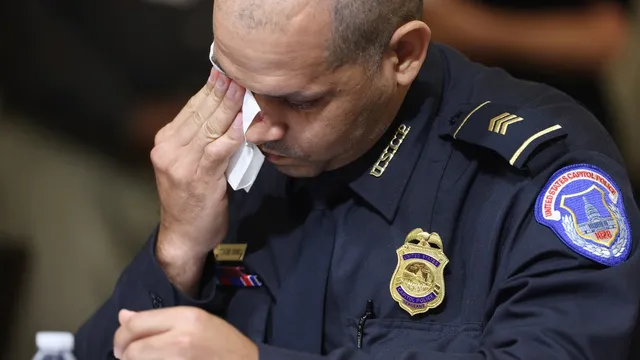
- Officers, including Harry Gonell and Daniel Hodges, report ongoing struggles after injuries sustained during the Capitol riot.
- Rioters injured over 140 police officers while storming the Capitol on January 6, 2021, leading to significant physical and psychological trauma.
- Many former officers advocate for acknowledgment of their experiences, facing public skepticism as they navigate the aftermath of the event.
Story
In the United States, five years after the Capitol riot, law enforcement officials who defended the building have shared their ongoing struggles with the mental and physical toll of the event. On January 6, 2021, rioters violently stormed the Capitol while Congress was certifying Joe Biden's election victory, leading to more than 140 police injuries as officers worked to protect the facility. Many officers, including Daniel Hodges and Harry Gonell, have reported lasting repercussions, ranging from mental health issues to career loss due to injuries received during the chaotic incident, highlighting insufficient support and proper training available at that time. The reaction from the public and political figures has been mixed, with some officers expressing frustration over the perception that the riot was not as severe as it was portrayed. For instance, Adam Eveland noted that his dialogue with colleagues and the community often reflects a desire for acknowledgment of their experiences, which have been dismissed by some as exaggerated. Meanwhile, former President Donald Trump controversially sided with the rioters, labeling them as “patriots” and granting them pardons, including those who had been violent towards police. Although the Capitol Police Department has since implemented measures to improve safety and support for officers, such as updated training protocols and equipment enhancements, many officers still grapple with the lingering effects of January 6. The former police chief, Thomas Manger, indicated that significant changes have been made to ensure officers are better equipped to handle similar scenarios, asserting that if an event like this occurred in the future, the Capitol would not be breached as it was five years earlier. The complex aftermath of the riot continues to reverberate as police officers seek to reconcile their experiences with public sentiment, revealing a broader struggle over how communities perceive law enforcement's role during such crises. As these officers advocate for recognition and healing, including through public discussions and personal projects like painting, they face an uphill battle against prevailing narratives that minimize their experiences or question their authority. The lasting impact of the Capitol riot remains a pivotal issue, influencing both police and public perceptions for years to come.


