

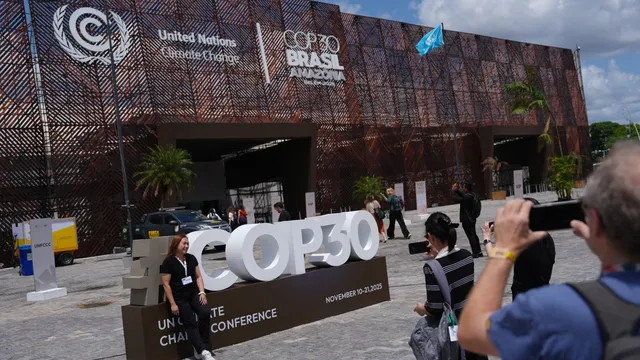
COP30 fails to address fossil fuel phase-out amid climate anxiety
COP30 fails to address fossil fuel phase-out amid climate anxiety
- The COP30 climate conference in Brazil ended with a deal that did not include a plan to phase out fossil fuels.
- Despite calls from numerous nations for stronger commitments to combat climate change, weaknesses in the agreement were noted.
- The negotiations underscored the challenges of achieving consensus and raised concerns about the adequacy of current climate action efforts.
Story
Brazil hosted the COP30 climate conference in Belém, focusing on critical global climate challenges from November 6 to 18, 2023. The summit garnered high hopes led by Brazilian President Luiz Inácio Lula da Silva, who aimed to spearhead a strong international response to climate change. Despite the urgency expressed by over 80 nations for a definitive plan to phase out fossil fuels, the final agreement released did not mention fossil fuels or establish clear timelines for reducing fossil fuel use, which disappointed many delegates and stakeholders. The deal instead included provisions for increased funding to assist vulnerable countries affected by climate change repercussions, but those pledges were not separate from previous commitments. As negotiations progressed, the atmosphere reflected a lack of unity among nations, leading to frustrations with the COP process and how decisions were managed. Key concerns were raised about transparency and the disregard for specific requests from various nations, notably those from the European Union and Latin America, who demanded stronger commitments to curb fossil fuel production. The agreement fell short in addressing the landscape of climate finance as well, pushing the timeline for distributing earlier commitments to assist the most impacted countries back to 2035, a notable factor that critics highlighted as inadequate. Proponents of the agreement praised some progress made, such as tripling the adaptation finance and promising to create a just transition mechanism for communities reliant on fossil fuels and for Indigenous peoples. However, opposition groups and environmental advocates condemned the outcome as too weak to tackle the urgent climate crisis at hand. Further frustration was felt when discussions hinted at future engagement on fossil fuel roadmaps, although the mechanisms for this development lacked clear authority or urgency. The aftermath of COP30 raised serious questions about international climate negotiation approaches, particularly as the lack of consensus disappointed numerous communities already addressing the catastrophic implications of climate change. As global leaders prepared to move forward, vital discussions on how to maintain momentum toward effective climate action continued, with Brazil's leadership positioned to influence future dialogues leading to COP31. COP30 serves as a reminder of the complexities surrounding global climate agreements and the significant work still needed to develop frameworks that align with the realities of the climate crisis, which, without effective action, threatens vulnerable populations and ecosystems worldwide.
Context
The 30th Conference of the Parties (COP30) to the United Nations Framework Convention on Climate Change (UNFCCC) held a critical spotlight on the progress, outcomes, and failures in addressing the escalating climate crisis. As the global community gathered to assess the effectiveness of previous commitments and implement new strategies, it became evident that while there were moments of progress, significant gaps remain. The conference aimed to reinforce the goals set in the Paris Agreement, encouraging nations to present updated national determined contributions (NDCs), secure climate financing, and stimulate enhanced cooperation among diverse stakeholders. However, the complexities of implementation and real-world pressures led to a mixed bag of results, underscoring the urgent need for a more robust response to the climate emergency. One of the key achievements at COP30 was the establishment of a renewed commitment to international carbon markets, which is seen as a mechanism to facilitate investment in sustainable projects across nations. The inclusion of various innovative financing models to support low-carbon development was another highlight, primarily focusing on developing countries that are most affected by climate change. However, the coverage and scope of these initiatives failed to meet expectations. Many countries expressed dissatisfaction with the pace of financing, arguing that the pledges made by developed nations, often contingent on their own fiscal realities, were insufficient to meet the needs of those on the frontlines of climate impacts. In terms of adaptation strategies, COP30 emphasized the importance of resilience building and disaster preparedness, yet gaps in technology transfer and capacity building for local communities remained. Nations struggled to delineate actionable pathways for integrating climate adaptation into existing economic frameworks. Furthermore, the disparities in accountability mechanisms for both developed and developing countries have raised concerns about equity and fairness in the climate negotiation process. Many advocates pointed out that the current structure does too little to ensure that developed nations meet their obligations to help developing nations, both financially and in terms of technology sharing, which is crucial for combating climate impacts. In conclusion, while COP30 made strides in addressing certain issues within the climate dialogue, the conference failed to yield concrete solutions for the overarching failures witnessed in the global climate agenda. The lack of binding commitments and substantial accountability mechanisms remains a significant barrier to realizing the objectives of the Paris Agreement. The negotiations have highlighted the necessity for a paradigm shift, where climate action is seen not only as a shared responsibility but also as an opportunity for sustainable development. The path forward must involve enhanced collaboration, innovative finance, and a steadfast commitment to equitable solutions to ensure that all nations can contribute to and benefit from a sustainable future.


