

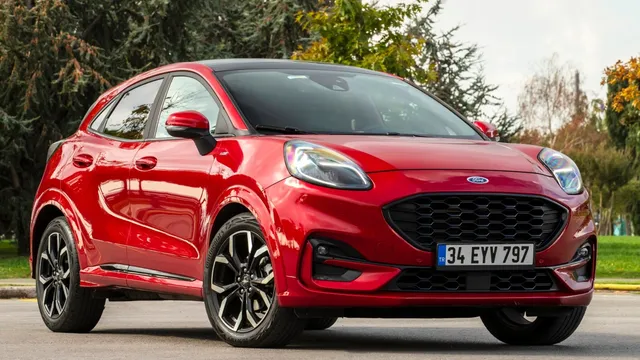
Ford rejects U.S. market for popular Puma due to low buyer interest
Ford rejects U.S. market for popular Puma due to low buyer interest
- Ford CEO Jim Farley explained why the popular Ford Puma won't be available in the US market.
- He indicated a lack of sufficient buyers for the vehicle, citing its size and cost concerns.
- Farley's focus is on electric and hybrid vehicles to compete with Chinese automakers.
Story
In a recent interview, Ford CEO Jim Farley discussed the decision to not introduce the Ford Puma in the United States, despite its popularity in the UK and Europe, where it has been the best-selling passenger vehicle for the last three years. Enthusiasts in the U.S. have shown considerable interest in the Puma, given its practical design, efficiency, and fun-to-drive nature. However, Farley outlined a strategic focus for the company that prioritizes electric and hybrid vehicle development over expanding their traditional lineup. He acknowledged the challenges faced by smaller vehicles in the U.S. market, stating that many might love a car like the Puma, but the sales numbers would not justify its introduction. He mentioned that the Ford Bronco Sport and Maverick are alternatives for American customers, indicating that these vehicles align better with current consumer preferences and market conditions. Farley emphasized the need for Ford to innovate and compete with emerging Chinese automakers, noting that resources are being reallocated towards EV technologies that offer a better chance of success against competitive lower-cost models. The remark brought attention to the shifting landscape of the automotive industry where size, functionality, and environmental impact are increasingly pivotal in decision-making. Moving forward, it appears Ford plans to channel its efforts into developing more diverse and sustainable vehicle options that could cater to evolving market demands, instead of introducing models that may not thrive in the current American automotive climate. Farley's insights reflect broader trends in consumer preferences and company strategies within the industry, as traditional automakers navigate the complexities of a rapidly changing market.


