

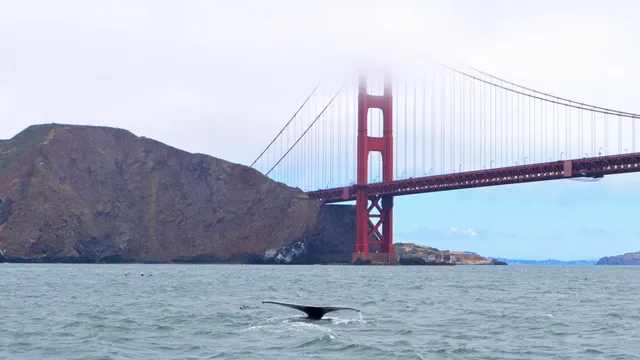
New technology saves whales from ship strikes in San Francisco Bay
New technology saves whales from ship strikes in San Francisco Bay
- WhaleSpotter system detects whale activity using AI technology.
- The initiative responds to increasing whale fatalities, particularly from ship strikes.
- This technology allows for real-time alerts to mariners, aiming to reduce whale collisions.
Story
In an effort to protect the vulnerable gray whale population, a state-of-the-art whale detection system named WhaleSpotter has been launched in San Francisco Bay. This system utilizes artificial intelligence to monitor whale activity around the clock, analyzing whale blows and heat signatures from up to 2 nautical miles away. The initiative comes following alarming reports of 21 dead gray whales found in the Bay Area last year, marking the highest number in 25 years, with ship strikes noted as a leading cause of these fatalities. The system aims to alert vessels in real-time about whale sighting, aiding mariners in making navigational adjustments to avoid whale collisions. Scientists believe this growing issue is exacerbated by climate change, impacting both whale feeding patterns and migration corridors, creating dangerous overlaps with busy shipping lanes and fishing gear. The San Francisco Bay is identified as a high traffic area, with many whales concentrating around islands like Angel Island, Alcatraz, and Treasure Island. The severity of the whale collisions has prompted regulatory actions, including seasonal fishing gear closures to mitigate entanglement risks. As this network starts to operate, it becomes an essential tool for preserving the marine ecosystem while balancing the needs of maritime activities. Researchers and conservationists remain vigilant, emphasizing the importance of maintaining adaptive management strategies that protect marine life as environmental pressures persist.


