
military conflicts
tragic
controversial

Families demand congressional action on aviation safety reforms after deadly crash

Feb 12, 2026, 6:01 AM10
(Update: Feb 12, 2026, 6:01 AM)
capital city of the United States of America
land service branch of the United States Armed Forces

Families demand congressional action on aviation safety reforms after deadly crash

  • A midair collision between an airliner and an Army helicopter near Washington, D.C., on January 29, 2025, claimed 67 lives.
  • Key lawmakers and victim families stress the importance of Advanced Aircraft Locator Systems, which have been recommended since 2008.
  • Congress is facing challenges in implementing aviation safety reforms due to cost concerns for airlines.
Share your opinion
1

Story

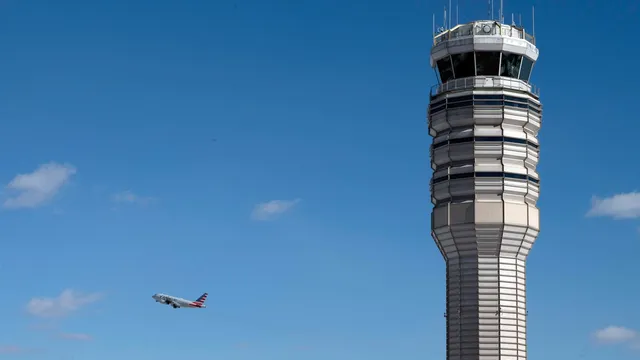
In January 2025, a tragic midair collision occurred near Washington, D.C., resulting in the death of 67 individuals aboard an airliner. The disaster involved a collision between an American Airlines jet and an Army helicopter, both of which lacked effective advanced aircraft locator systems. Family members of the victims, along with key senators, believe that adherence to long-standing recommendations for these systems could have prevented this tragedy. The NTSB has emphasized the necessity of these locator systems since 2008, highlighting their importance in enhancing safety around busy airports. The Senate Commerce Committee is proactively working to address these concerns by planning a hearing to assess the effectiveness of aircraft safety measures. One critical recommendation is the installation of two types of Automatic Dependent Surveillance-Broadcast (ADS-B) systems, which would enable planes to continuously broadcast their location and receive information about other aircraft. As of now, the ADS-B out system is mandatory, while the ADS-B in systems remain optional. During the incident, the absence of both systems contributed to the inability of the pilots to avoid the fatal collision. Additionally, key lawmakers express urgency regarding the reforms, as they aim to ensure that future midair collisions can be avoided. While the individual tragedy profoundly affects the families left behind, the conversation around aviation reform has been reignited. One grieving relative, Amy Hunter, voiced her thoughts on the proposed systems, indicating the obvious need for action. The hearing may also shed light on the overwhelming systemic issues identified by the NTSB that facilitated the disaster. Cost has emerged as a significant hurdle, especially considering the financial implications for regional airlines that often operate on tight budgets. The requirement for equipping older aircraft with the necessary locator systems could lead to expensive upgrades that not all airlines can afford. This financial burden poses a challenge to implementing the recommended safety measures uniformly across the aviation industry. However, advocates believe that investing in these safety provisions is worth the cost if it ultimately saves lives.

Context

The history of aviation safety reforms in the United States reflects a significant evolution in regulatory frameworks, technological advances, and the prioritization of safety measures. Beginning in the early 20th century, the period of rapid growth in civil aviation was punctuated by an increasing number of accidents, which highlighted the urgent need for governance. The Airline Deregulation Act of 1978 marked a critical juncture, shifting the landscape from stringent federal control to a more market-driven approach. However, the deregulation also resulted in concerns over safety as airlines focused on profit margins. This prompted tighter oversight and the establishment of multiple safety initiatives aimed at enhancing passenger protection and aircraft reliability. In response to high-profile accidents such as the 1982 crash of Air Florida Flight 90 and the 2001 September 11 attacks, significant reforms were mandated through legislative measures and executive actions. The Federal Aviation Administration (FAA) was instrumental in implementing regulations that scrutinized operator safety practices and improved pilot training protocols. The Aviation and Transportation Security Act of 2001 led to the establishment of the Transportation Security Administration (TSA), aimed at bolstering airport security and implementing standardized screening procedures. This act represented a fundamental shift in addressing the overarching umbrella of safety, incorporating new security measures to mitigate both systemic and operational risks. Furthermore, the introduction of the Safety Management Systems (SMS) approach across various sectors of aviation has been pivotal in reshaping safety culture. By promoting a proactive, organizational-wide approach towards safety, SMS encourages accountability, hazard identification, and risk management through a systematic framework. Adoption of modern technology has complemented these reforms, with advancements in data analytics, monitoring systems, and aircraft safety features. For instance, the implementation of the NextGen air traffic control system aims to enhance precision in flight operations, reducing the likelihood of human error and improving overall safety outcomes. Despite the progress made, challenges remain, necessitating ongoing vigilance and reforms to address emerging threats and operational complexities. The rapid evolution of unmanned aerial systems (UAS) and commercial space travel introduces new safety considerations that regulatory bodies must adapt to. Recent initiatives to establish guidelines for the integration of drones into the national airspace and the development of safety protocols for commercial space operations demonstrate the continuous need to adapt regulatory frameworks. The history of aviation safety reforms in the US is a testament to the sector's resilience and commitment to improving safety standards, illustrating a responsive approach to the dynamic challenges of aviation.

2026 All rights reserved
