

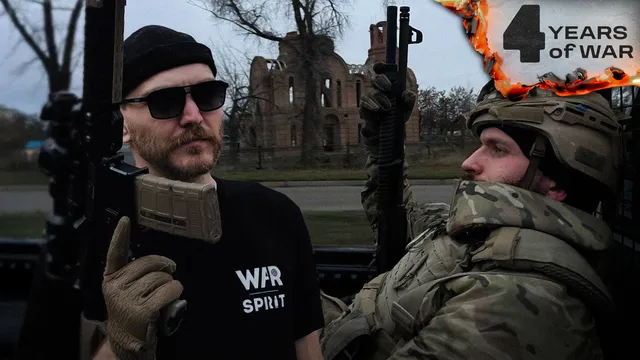
Veterans return to fight for Ukraine amid evolving war conditions
Veterans return to fight for Ukraine amid evolving war conditions
- Two Ukrainian veterans returned to military service on the fourth anniversary of Russia's full-scale invasion.
- They struggled with civilian life and expressed a strong commitment to defending their country.
- Their experiences highlight the ongoing evolution of warfare, necessitating constant adaptation and resilience.
Story
In Ukraine, veteran soldiers have made the decision to return to the Army as combat continues amid the ongoing conflict with Russia, marking a poignant moment on the fourth anniversary of the full-scale invasion. Two veterans, Anatoliy and Lytsar, reflect on their reasons for returning, emphasizing their commitment to defending their homeland and their struggle to find fulfillment in civilian life. They reveal that during their time away, the circumstances of the war had evolved, prompting them to feel a sense of urgency to rejoin their comrades on the frontlines. Both veterans expressed a deep connection to their roles in the military, emphasizing that adapting to the chaos of war is crucial for survival. Despite facing moral and psychological setbacks, they were motivated by a sense of duty and a desire to contribute to the fight. As they reintegrated into the Army, they reported that their former experiences were valuable, yet it was essential to prove their effectiveness in the new dynamics of their units. The shift from civilian life back to combat was challenging, necessitating quick adaptation to team dynamics and operational changes in the war. Lytsar noted the profound understanding his family has about his decision, equating it to the creative drive of an artist who cannot thrive away from their life’s work. He articulated that being away from the battlefield felt like living in a cage, and he realized that he and others like him had two choices: adapt to an unbearable civilian life or return to the fight that defined them. His return, paired with the camaraderie of fellow soldiers, brought him a renewed sense of purpose. In the context of the harsh winter, Anatoliy acknowledged the constant need to adapt to challenging conditions while remaining resilient. He reaffirmed that both he and his comrades feel a sense of elation as they successfully repel occupiers, highlighting the diverse emotional experiences within military ranks amid ongoing conflict. Their stories underscore the complexity of the wartime experience in Ukraine, balancing the privations of military life against the backdrop of personal fulfillment and national pride.
Context
The impact of returning veterans in wartime is a multifaceted issue that has significant implications for both the individuals involved and society as a whole. Upon returning from conflict zones, veterans face a range of challenges that can affect their reintegration into civilian life. These challenges include physical and mental health issues, unemployment, and social reintegration problems. Many veterans experience psychological effects such as PTSD, depression, and anxiety as a result of their service. Successfully addressing these issues is critical to ensuring that veterans can transition back into their communities more smoothly and lead fulfilling lives post-service. In addition to the personal consequences, there are broader social implications associated with returning veterans. Communities frequently face the effects of veterans returning home in large numbers, particularly at the conclusion of major military involvements. This influx can strain local resources, such as healthcare services, housing, and job markets, especially in areas with limited economic opportunities. To mitigate these challenges, collaboration between government agencies, community organizations, and the private sector is vital in providing the necessary support systems that can assist veterans in their transition. Moreover, the contributions of returning veterans to society can be significant. Veterans bring unique skills, experience, and perspectives that can enhance community resilience and economic development. Many veterans pursue education, starting new careers, or becoming entrepreneurs, which can stimulate local economies. Their commitment to service and leadership can also inspire civic involvement, as returning veterans often engage in community service and advocate for issues that affect their fellow veterans and broader social causes. Harnessing this potential requires adequate support mechanisms to ensure that veterans are equipped to leverage their skills in civilian environments. Finally, understanding the effects of returning veterans in wartime is essential to developing effective policies that balance the needs of veterans with those of society. Policymakers must prioritize mental health resources, job training programs, and community reintegration initiatives. By fostering a culture that recognizes and values the sacrifices made by veterans, society can create an environment conducive to their success. This commitment not only honors the service of veterans but also enriches the fabric of society as a whole, facilitating a smoother transition for veterans and better outcomes for the communities they return to.


