

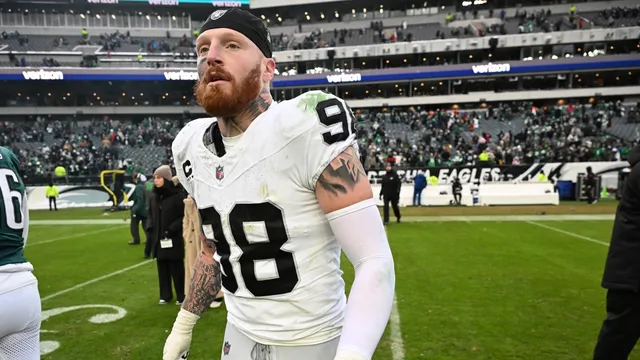
Ravens cancel Maxx Crosby trade over knee concerns
Ravens cancel Maxx Crosby trade over knee concerns
- The Ravens had agreed to send two first-round draft picks to the Raiders for Crosby before canceling the deal.
- Concerns about a degenerative knee issue led to the Ravens backing out of the trade.
- Plans for future trade process changes are being discussed to avoid similar situations.
Story
In early March 2026, the Baltimore Ravens had agreed to a significant trade with the Las Vegas Raiders, intending to acquire star defensive end Maxx Crosby. The deal involved sending two first-round draft picks to the Raiders for Crosby. However, shortly after Crosby underwent a physical examination with the Ravens, they decided to cancel the trade. Concerns arose regarding a degenerative issue with Crosby's knee, prompting the Ravens to prioritize the player's health and the integrity of their franchise over making a high-profile acquisition. As a result of this decision, Crosby remained with the Raiders. Sashi Brown, the president of the Ravens, addressed the media, emphasizing the importance of handling the situation with privacy and dignity. He expressed hope that this turn of events would not adversely impact the Ravens' reputation in future dealings with other teams in the league. Brown highlighted the significance of maintaining strong relationships within the NFL while acknowledging the unfortunate situation that had unfolded. Despite the disappointment surrounding the failed transaction, the Ravens quickly pivoted their focus to Trey Hendrickson, signing him as a free agent. The news surrounding the canceled trade created considerable buzz throughout the league, with many analysts speculating its impact on both the Ravens and Crosby. Head coach Jesse Minter also spoke about the excitement followed by disappointment after the trade's failure, affirming their respect for Crosby and the Raiders. Meanwhile, discussions began about potential changes to the trade process leading into the new league year to prevent similar situations that could affect salary cap management and player acquisitions. With the cancellation of the deal, attention shifted towards other potential trade options, especially regarding players like Myles Garrett from the Cleveland Browns, who analysts predicted could have surprising destinations, including the New York Giants. Moreover, the Cowboys had shown interest in acquiring a star pass rusher to bolster their defense, particularly after losing key players like Micah Parsons. The ongoing speculation about player trades, coupled with health concerns for Crosby, highlighted the complexities teams face when navigating the off-season and shaping their rosters.
Context
The impact of failed trades on NFL salary caps is a significant concern for teams across the league, as these financial missteps can lead to unforeseen repercussions. When a trade fails, whether due to medical concerns, performance issues, or contractual disputes, it can cause immediate complications related to the salary cap. In the NFL, teams operate under a strict salary cap, which limits the total amount of money they can spend on player salaries in a given season. A failed trade may not only tie up salary cap space but also necessitate the reallocation of funds that could have been utilized for other acquisitions, thereby constraining a team's ability to build a competitive roster. Furthermore, the ramifications can extend beyond the immediate financial loss; they can affect a team's long-term strategy, as resources aimed at potential player acquisitions are rendered ineffective due to the trade's aftermath. In addition to influencing direct salary cap figures, failed trades can have a ripple effect on team morale and performance. Players involved in the trade may feel unsettled or undervalued if a deal falls through, which can lead to decreased performance on the field or discord in the locker room. Rebuilding trust and cohesion after a failed trade can create additional challenges for coaching staff and management. Moreover, such incidents can influence how teams approach future trades, leading to more cautious decision-making in negotiations. Teams may become wary of taking risks on high-profile players or making bold moves, ultimately stifling the opportunity for growth and improvement within the organization. Moreover, the timing of a failed trade can exacerbate its effects on salary cap management. If the failure occurs close to the trade deadline or the start of free agency, teams may find themselves scrambling to reallocate resources and reassess their roster needs while competing against other organizations also looking for talent. This urgency can lead to rushed decisions and inadequate planning, further resulting in financial strains and potentially poor roster decisions that impact both performance and future salary cap flexibility. As a result, teams must maintain a sharp focus on the contractual and financial indicators surrounding potential trades, ensuring they have the necessary contingencies in place to manage the fallout from failed transactions. In conclusion, the ramifications of failed trades in the NFL are extensive, influencing not only the immediate financial landscape but also affecting team chemistry and future strategies. The rigid structure of the salary cap demands that teams navigate trade negotiations with great care, as the consequences of a failed trade can resonate throughout multiple facets of an organization. It is essential for NFL teams to have mitigation strategies and contingency plans in place to handle the dynamics of trade negotiations effectively, as these investments are critical in shaping their competitive edge and long-term success in the league.


