

Phillips Distilling suffers major losses due to Canadian liquor sales ban
Phillips Distilling suffers major losses due to Canadian liquor sales ban
- Canadian provinces banned the sale of US liquor in March last year, significantly affecting Phillips Distilling.
- The company responded by moving some production to Canada and managed to regain some market presence.
- Despite efforts to adapt, only two provinces still sell US alcohol, highlighting ongoing trade challenges.
Story
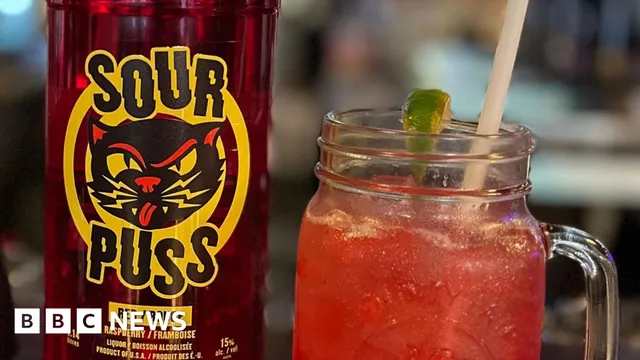
In March of last year, Canadian provinces initiated a ban on the sale of US liquor, which severely impacted American liquor producers, notably Phillips Distilling. The company, known for its Sour Puss brand, observed a dramatic 70% decline in its Canadian business, as Canada represents its largest consumer market for this product. To mitigate losses, Phillips Distilling strategically moved some production to Canada, seeking to regain access to its former consumers. By convincing a majority of provinces to resume selling its products, Phillips Distilling initiated a road to recovery, with many stores once again showcasing their offerings, particularly Sour Puss. The actions taken were not solely economic but were also influenced by ongoing trade negotiations between the United States and Canada. Despite the efforts, only two of the ten provinces in Canada, Alberta and Saskatchewan, maintained the sale of American alcohol as of May 2026. The result of the provincial liquor boycott has been challenging for numerous liquor brands, particularly because they have been effectively sidelined in a market where their products were previously favored. The liquor sales ban was part of a broader trade conflict, where geopolitical tensions and tariffs on industries like automotive have shaped the decisions of provincial governments. The officials, including Canadian Prime Minister Mark Carney, hinted that these provinces could potentially reopen sales of American alcohol if certain trade barriers on Canadian sectors were amended. Phillips Distilling's case is indicative of the larger dilemma faced by American businesses during international trade disputes, especially when a significant portion of their market lies across borders. Fellow experts describe the liquor sector as one with unique challenges, as certain products are geographically tied, affecting their ability to relocate operations as flexibly as Phillips did with the Sour Puss brand. This indicates a potential shift in production strategies for businesses embroiled in trade conflicts, where adaptation may be necessary to maintain revenue streams. Looking ahead, it remains uncertain how long trade negotiations will take or when American liquor will be fully welcomed back into the Canadian market. The ongoing discussions between the American and Canadian governments on tariffs and trade restrictions will likely dictate the future visibility of American liquors. Phillips Distilling’s experience serves as a critical illustration of the unpredictability and impact of trade relationships on the beverage market, highlighting the repercussions of international legal and commercial frameworks on everyday consumer products.
Context
market data shift shift market analysis geopolitical insight market strategic geopolitical data global strategic policy analysis global impact trends data impact impact impact analysis impact global analysis impact strategic shift shift data analysis market global economic global policy impact economic economic trends global global policy analysis analysis strategic analysis data market market economic global insight policy market insight global global shift shift insight data policy impact global economic economic policy shift trends impact shift analysis geopolitical market analysis trends global...


