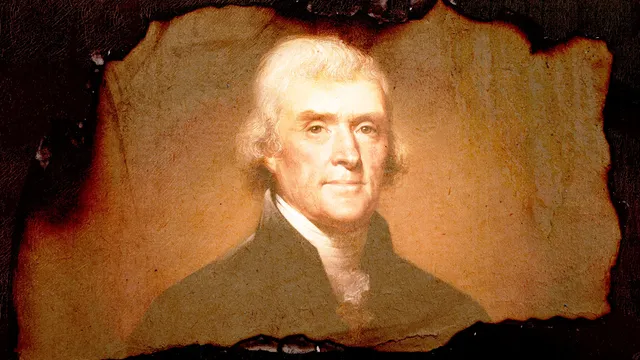
In the United States, Dorothy Jefferson Westerinen and her brother Marshall are notable for being direct descendants of Thomas Jefferson, the third president, and Sally Hemings, an enslaved woman who bore him children. Their lineage was confirmed through DNA analysis in 1998, which established that Eston Hemings, born in 1808, was Jefferson's youngest child with Hemings. This revelation has added complexity to the historical narrative surrounding Jefferson, who is often celebrated for his role in American independence while simultaneously being linked to the institution of slavery.
Dorothy and Marshall, who identify as queer, represent a unique intersection of American history and contemporary LGBTQ+ identity. They have openly embraced their sexual orientation within their family gatherings, often bringing Dorothy's wife along. Their existence challenges traditional narratives about the founding fathers and their legacies, particularly in a time when discussions about LGBTQ+ rights and representation are increasingly prominent.
The siblings do not see themselves as activists but rather as individuals who embody acceptance and diversity. They acknowledge the historical context of their ancestry, recognizing that the categories of sexual orientation did not exist in the same way during Jefferson's time. This awareness prompts them to reflect on how their queer identity might influence perceptions of LGBTQ+ Americans today and in the future.
As they navigate their family history, Dorothy and Marshall also consider the implications of their lineage on broader societal attitudes towards queerness. They express a desire for their existence to serve as a reminder that family trees are filled with diverse identities and experiences. Their story highlights the ongoing evolution of societal norms and the importance of representation in understanding the complexities of American history.