

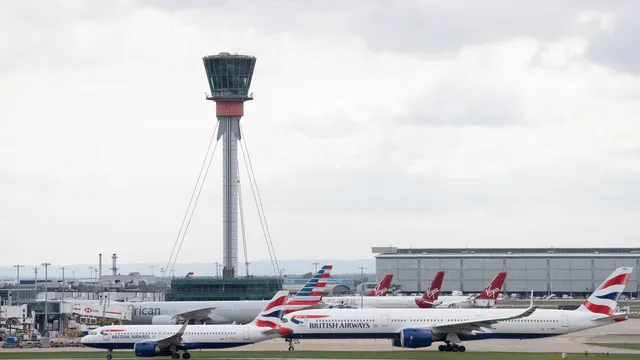
Heathrow Airport faces decline in passenger numbers amid ongoing Iran war impact
Heathrow Airport faces decline in passenger numbers amid ongoing Iran war impact
- Heathrow Airport reported 7.1 million passengers in May 2026, a 1.2% decrease from the previous year.
- The decline is attributed to the ongoing impact of the Iran war, affecting UK and Middle Eastern passenger numbers.
- Heathrow's management is concerned about proposed cuts to investment plans by the Civil Aviation Authority.
Story
In May 2026, Heathrow Airport in the United Kingdom experienced a decline in passenger numbers, reporting 7.1 million travelers passing through its terminals, which is a 1.2% decrease from the same month in the previous year. This decline is attributed to the ongoing impact of the Iran war on international travel, which has particularly affected UK passenger numbers, down by 1.9%, and those from the Middle East, which saw a significant drop of 31%. Despite this downturn, Heathrow celebrated its busiest day ever for May on May 22, with 262,000 passengers recorded, coinciding with the start of the school half-term holidays. This indicates a complex situation where demand for travel remains strong, yet external factors are hindering growth. The airport's management has expressed concerns regarding the Civil Aviation Authority's (CAA) proposed cuts to investment plans, which they argue could weaken the UK's competitiveness in the global aviation market. Heathrow has been proactive in its investment strategy, initiating upgrades to terminal facilities and car parks, while also seeking planning permission for a third runway by 2029. The CAA's proposals include a 1% increase in the per passenger charge that Heathrow can impose on airlines over the next five years, but the cap suggested by the CAA is significantly lower than what Heathrow recommended. Heathrow's chief executive, Thomas Woldbye, emphasized the importance of maintaining and expanding the airport's capacity to meet the strong demand for travel and trade. He warned that delays in necessary investments could jeopardize both short and long-term growth for the airport, which has been a crucial hub for international travel for 80 years. The situation is further complicated by the contrasting performance of other airports in the UK, such as the Manchester Airports Group, which reported a 2.4% increase in passenger numbers in May, highlighting the competitive landscape in the aviation sector. As the global travel sector continues to navigate the challenges posed by geopolitical events like the Iran war, Heathrow's ability to adapt and invest in its infrastructure will be critical for its future success. The airport's management is advocating for a more favorable regulatory environment that supports growth and investment, ensuring that it remains a key player in the international aviation market.


