

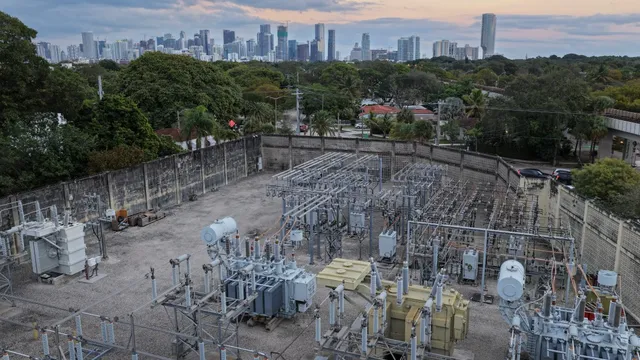
Florida takes action against rising utility costs from data centers
Florida takes action against rising utility costs from data centers
- Data centers require massive electrical power and advanced systems to function, raising concerns about utility costs.
- Florida Governor Ron DeSantis signed SB 484 to prevent large data center customers from shifting their infrastructure costs to residential bills.
- The growing opposition from local communities highlights the tension between technological advancements and their impact on everyday life.
Story
In the United States, concerns around the rapid expansion of data centers have prompted state-level responses. Data centers, which are specifically designed to handle the demands of artificial intelligence (AI), have increased significantly, with the country now hosting over 4,200 facilities. These centers require substantial electrical power and advanced cooling systems, raising worries about the financial and resource pressures on local communities. Following these concerns, Florida Governor Ron DeSantis enacted SB 484, a law aimed at ensuring that large data center customers bear the full costs of electricity infrastructure improvements instead of shifting the burden to residential customers. This legislative measure highlights the ongoing dialogue regarding fairness in utility cost distribution, especially as wealthy corporations grow their operational footprints in various states. In Maryland, assessments indicate that residents could face up to a $1.6 billion increase in electricity bills over the next decade, tied to the demands of expanding data centers. This financial burden has raised alarms among local officials, prompting discussions about how to mitigate costs while ensuring reliable power supply. The North American Electric Reliability Corporation also expressed concerns, issuing a Level 3 Essential Action Alert that cites immediate risks to the bulk power system posed by large computational workloads from data centers. This alert reflects worries about grid reliability and operational strains on the electrical system as demand continues to surge. Public opposition to data centers has emerged in places like New Jersey, where community members have rallied against specific projects. Residents in Kenilworth protested the construction of a $1.8 billion data center facility by CoreWeave, expressing concerns about utility costs and overall impacts on their communities. In Andover Township, tensions escalated over a potential data center proposal, culminating in physical confrontations during public meetings as local residents voiced their fears over the potential strains on water and power resources. Meanwhile, in Fayetteville, Georgia, residents reported low water pressure linked to data centers’ industrial-scale water use, leading to investigations revealing unregistered water hookups at a facility. Such incidents showcase the local complexities surrounding the expansion of data centers and their implications for utilities and residents. As states grapple with growing data demands and the implications for local populations, the unfolding discussions and legislative measures are likely to continue shaping the landscape of data center operations in relation to household utility costs. Addressing the roles of both government and corporations in this space will be pivotal in balancing the growth of technology with the needs of populated communities, ensuring that no undue burdens are imposed on everyday citizens while supporting technological advancement.


