

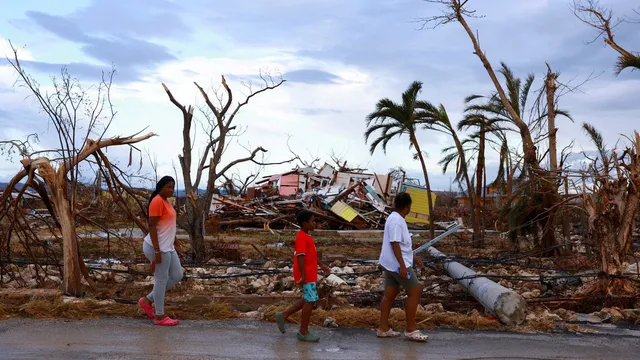
Thousands struggle for survival as Cuba faces power and water crisis after hurricane
Thousands struggle for survival as Cuba faces power and water crisis after hurricane
- Cuba is dealing with severe challenges in the aftermath of Hurricane Melissa that struck in late October 2025.
- Many residents are without essential services, resulting in thousands of families being left homeless or living in makeshift accommodations.
- Ongoing recovery efforts are hindered by infrastructural damage and logistical issues, leaving the situation dire for affected communities.
Story
In late October 2025, Cuba faced catastrophic consequences following Hurricane Melissa, which was noted as one of the strongest Atlantic storms to impact the region. The storm's violent winds, reaching up to 185 mph, and subsequent floods left over six million people affected across the island. Nearly a month later, vital infrastructure remains severely compromised, with thousands still enduring power outages and limited access to clean drinking water. Reports indicate that power restoration efforts are ongoing but may not be completed until mid-December. The prevailing conditions have caused widespread hardship, with many families displaced and living in makeshift shelters. Residents in areas like Río Cauto and Los Mangos expressed despair as floods destroyed homes and belongings, forcing them into improvisational living situations. Thousands were evacuated preemptively, yet reports suggest that around 53,000 individuals are still unable to return home, including approximately 7,500 living in designated shelters. The community struggles with rampant diseases attributed to poor sanitation and weather-related conditions, further complicating recovery efforts. While some relief measures are in place, many urgent needs remain unmet, particularly due to strained resources exacerbated by ongoing regional tensions and sanctions imposed on the nation. Food scarcity has also substantially impacted the populace, as fuel shortages lead to long queues, complicating daily life for those trying to secure essential supplies. Many families are living by the river, having lost everything through flooding, and the emotional toll of such devastation weighs heavily on entire communities. Aid organizations report that outreach, although ongoing, is reaching only a fraction of the total affected individuals, leaving millions in dire need of assistance. As the situation progresses, international observers express concern about the long-term implications for recovery within Cuba. Local leaders and aid agencies emphasize the necessity of continued support for rebuilding initiatives, which in some areas could take years. Citizens have shown resilience and solidarity, yet their plight underscores the critical need for infrastructure repairs and humanitarian aid efforts to restore normalcy in the wake of a disaster that remains fresh in their memories.


