

FBI thwarts four terrorist attacks across four states during December 2022
FBI thwarts four terrorist attacks across four states during December 2022
- In December 2022, the FBI thwarted terrorist plots in four states, leading to multiple arrests.
- The initiatives were part of a wider counterterrorism effort amid heightened threats from foreign terrorist organizations.
- The details revealed the ongoing challenges faced by law enforcement in preventing terrorism during critical times.
Story
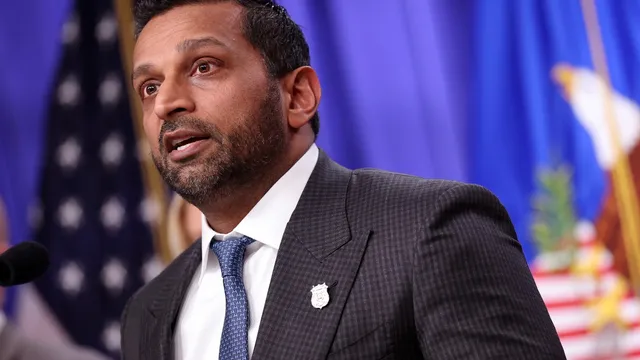
In December 2022, the Federal Bureau of Investigation (FBI) successfully prevented four separate terrorist attacks in the United States, a move that highlighted the ongoing threat of terrorism as officials grapple with increased risks amid international tensions. The arrests connected to these foiled plots spanned four states, illustrating a diverse range of threats faced by law enforcement agencies. On December 12, members of the Turtle Island Liberation Front were taken into custody for allegedly planning a bombing campaign targeting businesses in southern California on New Year's Eve, showcasing a specific focus on popular holiday periods for attacks. The FBI also arrested an individual in Pennsylvania on December 21 who had reportedly been researching ISIS propaganda for an explosives attack, indicating a concerning trend of domestic threats influenced by foreign extremist ideologies. As celebrations were set for New Year's Eve, additional FBI efforts led to the arrest of someone in North Carolina who intended to carry out a mass casualty attack, further underscoring the high alert status of authorities during this period. These incidents occurred against a backdrop of heightened terrorism threats due to rising tensions with Iran following the U.S. killing of Ayatollah Ali Khamenei, igniting fears of retaliatory actions. The ongoing challenges in U.S. national security are compounded by staffing issues within the FBI and the Department of Justice, as the departure of seasoned professionals has strained counterterrorism efforts. Despite these adversities, agencies like the JTTFs (Joint Terrorism Task Forces) remain active in disrupting potential threats. During a testimony before the Senate Intelligence Committee, FBI Director Kash Patel detailed how these plots were identified through the use of advanced techniques, including online tracking and covert operations. He emphasized that the bureau has bolstered its surveillance capabilities, focusing on online recruitment by foreign terrorist organizations such as ISIS. Patel’s comments also highlighted that the FBI has dedicated significant resources to improving data collection and analysis, which has proven effective in thwarting attacks, as illustrated by the events in December.
Context
The ongoing conflict involving Iran has significant implications for U.S. domestic terrorism, particularly in shaping the motivations and tactics of various extremist groups within the United States. Over the years, the geopolitical tensions surrounding Iran, including its nuclear ambitions and regional influence, have emerged as focal points for radicalization among certain segments of the population. Domestic terrorism in the U.S. can often be linked to broader international conflicts, and the situation in Iran is no exception. As the U.S. continues to impose sanctions and militarily confront Iranian interests, various groups may perceive these actions as threats, leading to increased radicalization and the support of extremist ideologies that justify violence against perceived enemies. This dynamic can create an environment where individuals are more inclined to commit acts of terrorism under the guise of national defense or in retaliation against foreign adversaries. Furthermore, media narratives surrounding the Iran conflict can amplify existing social grievances and add layers of justification for violence among radical factions. For instance, propaganda disseminated by extremist groups often exploits real or perceived injustices related to U.S. foreign policy, presenting Iran as a martyr within the Islamic world and framing the U.S. as an imperialist power. This can galvanize support for domestic extremist movements that align ideologically with these views. The overlap between nationalist sentiments and Islamist ideologies can culminate in domestic actions that target a variety of perceived oppressors, ranging from government institutions to minority communities. The interplay of Iran-related conflicts and domestic terrorism manifests not only through ideological inspiration but also through specific tactical borrowings from international conflict. Individuals seeking to carry out domestic acts of terrorism may adopt tactics observed in the Iran conflict or similar geopolitical struggles, further complicating the national security landscape. Tactics such as bombings, cyberattacks, and coordinated violence can trace their origins back to lessons learned on battlefields that, although foreign, resonate within certain extremist narratives at home. This convergence suggests that U.S. policymakers must remain vigilant in understanding how overseas conflicts influence domestic terrorism trends in order to implement effective counter-terrorism strategies. In conclusion, the impact of the Iran war on U.S. domestic terrorism is nuanced and requires a multi-faceted approach when analyzing emerging threats. As geopolitical tensions persist and evolve, the potential for domestic violence that emulates or is inspired by international conflicts will likely remain a significant challenge for law enforcement. Building comprehensive strategies that address the roots of radicalization and foster community resilience against extremist narratives will be essential. It is imperative that stakeholders engage in proactive measures to mitigate the risks while navigating the complexities of evolving ideological influences stemming from conflicts such as the one in Iran.


