

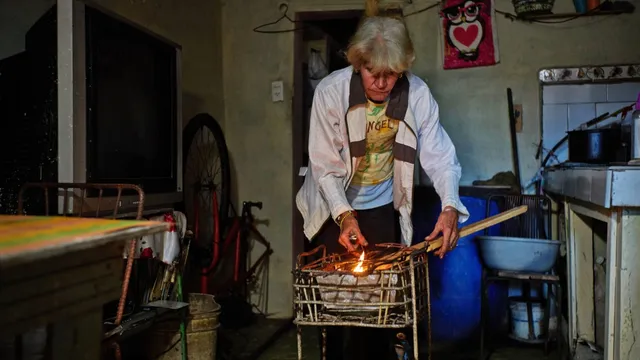
Cuban residents stage protests over blackouts and food shortages
Cuban residents stage protests over blackouts and food shortages
- Protests erupted in Moron, Cuba, as residents reacted to severe blackouts and food shortages.
- The Cuban government reported that five individuals were arrested during the demonstration, which escalated into violence.
- The unrest reflects growing public dissent and frustration over the current humanitarian crisis in Cuba.
Story
On March 14, 2026, protests erupted in Cuba, specifically in the city of Moron, as residents expressed their frustration over worsening blackouts and food shortages. The rally began peacefully but escalated into violence, with demonstrators partially destroying the local headquarters of the ruling communist party. This unrest occurred amidst a backdrop of increasing economic pressure due to a U.S. oil blockade that has severely impacted the island's energy supply. The Cuban government acknowledged that it had not received any petroleum shipments in the previous three months, linking the ongoing crisis to the blockade's effects on various sectors. The protests were characterized by vandalism, as participants not only targeted the Communist Party office but also damaged other state-run establishments, including a pharmacy and a government market. Additionally, videos shared on social media captured the chaos as fires were set and stones were thrown. Cuban President Miguel Díaz-Canel stated that these actions were desperate responses to the dire circumstances many citizens are facing due to the lack of essential resources such as food, fuel, and medication. In the same week prior to the protests, there were reports of smaller demonstrations in Havana, where residents banged pots as a sign of protest against extended blackouts. This wave of dissent is noteworthy, given that public protests, especially violent ones, are rare in Cuba. The 2019 Cuban constitution allows the right to demonstrate, but specific laws governing this right remain stalled in the legislature. Activists argue this legal ambiguity places those who protest in a position of risk and uncertainty regarding their willingness to take to the streets. As the Cuban government grapples with the fallout of these protests, it has initiated talks with the U.S. government in an attempt to seek resolutions to the energy crisis. President Díaz-Canel's acknowledgment of these discussions indicates a recognition of the severity of the situation, as external pressures continue to strain the island's already fragile economy. The repercussions of these protests and the government's response could set the stage for further unrest if the underlying issues remain unaddressed.


