
business
controversial
informative

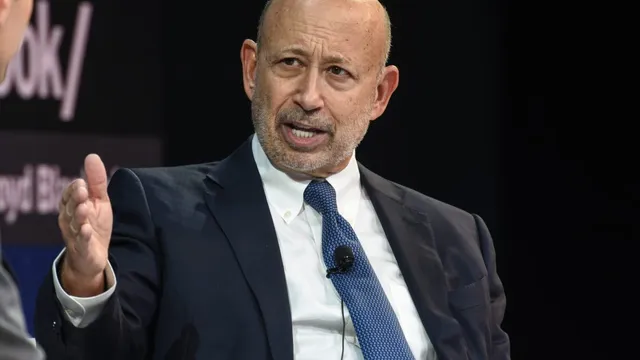
Lloyd Blankfein defends college education against growing anti-college sentiment

Feb 20, 2026, 1:00 AM10
(Update: Feb 20, 2026, 1:00 AM)
American business executive
American investment bank

Lloyd Blankfein defends college education against growing anti-college sentiment

  • Lloyd Blankfein articulated his disagreement with Peter Thiel's views on the diminishing value of college education.
  • He emphasized that personal growth and the development of soft skills are crucial for career success.
  • Blankfein's stance highlights a broader debate on the necessity and role of college in the modern job market.
Share opinion
Tip: Add insight, not just a reaction
1

Story

In recent months, former Goldman Sachs CEO Lloyd Blankfein openly disagreed with technology investor Peter Thiel's stance that attending college is no longer necessary for success. Blankfein shared his perspective in an excerpt from his upcoming memoir, stating that while technical expertise is essential, being a well-rounded individual is equally important. He emphasized that college can develop essential skills, such as confidence and critical thinking, which are vital for career advancement. Blankfein's insights come at a time when notable figures in the tech industry, including Thiel, advocate for alternative paths to education, particularly with programs like Palantir’s Meritocracy Fellowship, which aims to bypass traditional college routes. This program has been designed for high school graduates who wish to gain experience in the tech field without incurring student debt. Such initiatives spotlight the ongoing debate about the value of higher education in today's job market amid claims of declining meritocracy in college admissions. Throughout his reflection, Blankfein highlighted his personal experience at Harvard University and Harvard Law School, recalling how the institution shaped his interests and capabilities. He appreciated the growth opportunities that college provided, such as engaging with diverse perspectives and enhancing his writing skills. These elements, he argues, contribute to becoming the kind of engaged citizen essential in a cooperative workplace. Blankfein's vocal support has prompted other business leaders to assert the relevance of liberal arts education. For instance, Daniela Amodei, cofounder of AI firm Anthropic, has noted that skills from humanities are increasingly significant in tech-driven settings, asserting that innovation benefits from critical thinking abilities cultivated through such studies. Even successful individuals like Usher, who have not personally experienced college education, recognize its importance for aspiring professionals. The perspectives shared by these leaders suggest that the conversation surrounding the necessity of college is far from settled, with arguments for its importance continually gaining traction.

2026 All rights reserved
