

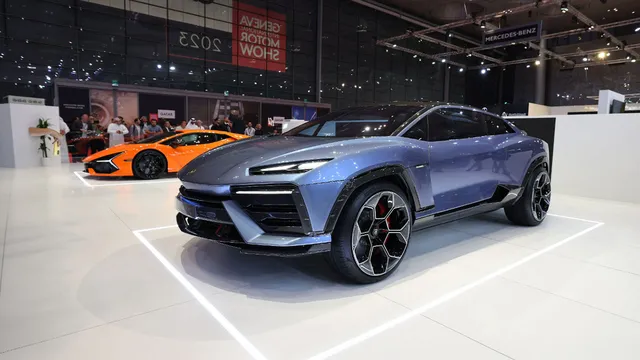
Lamborghini halts luxury EV production amid low demand
Lamborghini halts luxury EV production amid low demand
- Lamborghini's CEO reports a significant drop in demand for high-end full electric cars, indicating it is nearly nonexistent.
- The company will shift its focus to producing plug-in hybrids with plans for hybrid models by 2029.
- This decision reflects broader challenges in the luxury auto market regarding electric vehicle acceptance and future technology.
Story
In 2023, Lamborghini announced a strategic shift in its approach to electric vehicles in response to market analysis and consumer feedback. The CEO, Stephan Winkelmann, indicated that interest in high-end, full electric cars has dramatically decreased, stating that the acceptance rates are nearing zero, particularly for luxury vehicles. This led to a reevaluation of their plans, shifting focus towards the development of plug-in hybrids instead of fully electric models. As part of this transition, Winkelmann confirmed that by the end of the decade, all new Lamborghini models will be hybrids, set to debut in 2029. The shift in strategy highlights a broader trend across the luxury automotive market, with several manufacturers reconsidering their electric vehicle plans. This is partly due to economic conditions and the perception among consumers that current electric technology may become obsolete quickly. Despite the initial optimism about electric vehicles, the demand for exotic supercars remains more aligned with traditional combustion engines. Meanwhile, competitors within the industry, such as Aston Martin and Ferrari, are also navigating these shifts. Ferrari is preparing to launch its first fully electric model, the Luce, by the end of this year, while Aston Martin has delayed its own all-electric vehicle for several years. This competitive landscape is challenging as luxury automakers strive to balance innovation with market realities and consumer preferences. As European markets show varied responses to electric vehicles, the luxury segment is particularly sensitive to these trends. Economic uncertainties and changing consumer expectations are compelling manufacturers to adopt more conservative approaches toward full electrification in the immediate term. The future of luxury electric cars may hinge on advancements in battery technology and consumer acceptance, which remains fickle in the current landscape.


