

Wayne Gretzky ignites a revolutionary era in the NHL
Wayne Gretzky ignites a revolutionary era in the NHL
- The 1979-80 season marked the beginning of Wayne Gretzky's era in the NHL, changing the league forever.
- In the mid-90s, a new generation of players emerged as Gretzky’s dominance waned.
- The continuous emergence of young stars signals a transformation in the future of the league.
Story
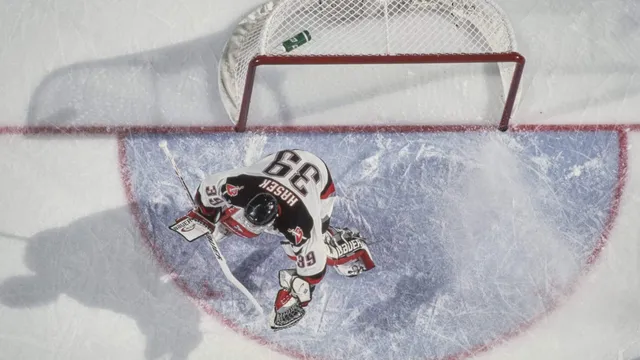
The NHL has experienced several pivotal seasons that marked significant transitions in the league’s hierarchy. One of the most notable was the 1979-80 season, which heralded the beginning of Wayne Gretzky's illustrious career. This period was monumental as it not only elevated Gretzky’s status but fundamentally changed the dynamics of the league, ushering in new playing styles and strategies that would shape hockey for decades to come. Following a decade and a half of Gretzky’s dominance, the 1994-95 season emerged as another vital point in NHL history, as new talents stepped into the limelight. With Gretzky's gradual decline due to age and injuries, players like Peter Forsberg, who won the Calder Trophy in a near-unanimous choice, began to emerge as leaders. This shift allowed new goaltending sensations like Dominik Hasek, who transitioned from backup to Vezina Trophy winner, to redefine the position. The 2005-06 season marked the arrival of superstars Sidney Crosby and Alexander Ovechkin, both of whom began their careers as top draft picks expected to shape the future of the league. With Crosby capturing the Hart Trophy soon after, and Ovechkin making his mark by scoring numerous goals, this season reignited fan interest and transformed the competitive landscape of the NHL into a more youthful and vibrant format. The trend toward younger athletes continued with the 2019-20 season, which highlighted the emergence of elite young defensemen in the NHL. This advancement was notable because it indicated a move away from the traditional predominance of veteran defensemen. Players like Cale Makar and Quinn Hughes ascended rapidly to become prominent players, showcasing that the NFL's elite defensemen were now dominated by those in their mid-20s. This shift signifies a promising future for the league, as new talent is continuously seeking to establish its legacy.


