

Bomb cyclone threatens nearly 200 million Americans with severe weather
Bomb cyclone threatens nearly 200 million Americans with severe weather
- A major winter storm is expected to sweep across the U.S., affecting nearly 200 million people.
- Blizzard conditions, heavy snowfall, and strong winds are anticipated, especially in the Upper Midwest.
- Residents and travelers are advised to prepare for significant disruptions and potential power outages.
Story
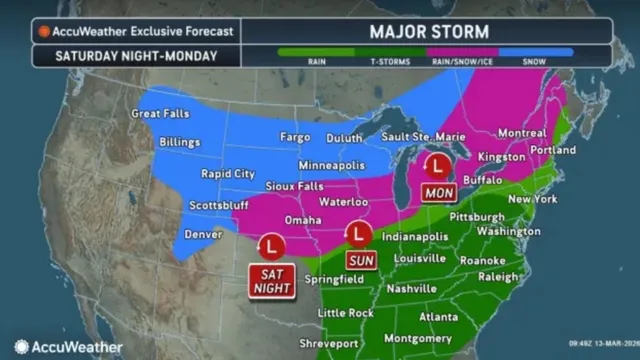
A significant winter storm is forecasted to move across the central and eastern regions of the United States from Sunday into Monday. This rapidly intensifying system is expected to affect nearly 200 million people, with meteorologists warning of the potential for it to develop into a bomb cyclone, characterized by a sharp decrease in central pressure. The storm will bring various weather hazards, including blizzard conditions in the Upper Midwest and severe thunderstorms, damaging winds, and heavy rain in southern and eastern areas of the country. Forecasters are predicting that the storm will gather strength as it moves east, pulling moisture from the Pacific, Gulf, and Atlantic oceans. As a result, blizzard conditions may emerge in parts of the Upper Midwest, particularly impacting Wisconsin and Michigan’s Upper Peninsula with projected snowfall of up to three feet. Hazardous travel conditions are anticipated on Monday as a combination of strong winds and bitter cold will exacerbate already dangerous weather conditions. Multiple winter weather alerts and warnings are presently in effect across many regions, with cities bracing for the severe disruption associated with the incoming storm system. Power outages are also a significant concern, with the potential for tree limbs to collapse under the weight of heavy snow, downing power lines in the process. Authorities are urging residents and travelers to prepare for what may become one of the most significant weather events of the year. In addition to the blizzard conditions predicted for the Upper Midwest, strong winds reaching 60-70 mph are expected ahead of the storm's arrival, which may lead to significant travel difficulties and safety concerns for the public. Cancellation of flights in the Midwest has already started as airlines brace for the storm's anticipated severe impact. As the storm begins affecting the Great Lakes region over the weekend, residents will experience an influx of colder air, further contributing to harsh conditions. Overall, this winter storm presents a major weather challenge showcasing the destructive potential of severe winter weather.
Context
A bomb cyclone, also known as explosive cyclogenesis, is a weather phenomenon characterized by a rapid and significant drop in atmospheric pressure, typically by at least 24 millibars within 24 hours. This dramatic decrease results in a powerful storm system that can lead to severe weather conditions, including heavy precipitation, strong winds, and coastal flooding. These storms often form along the boundaries of warm and cold air masses, usually during the transition from winter to spring, and can produce extremely low temperatures and blizzards in some regions. The term "bomb cyclone" was coined by meteorologists to describe the quick intensification of a low-pressure system. Such storms are more prevalent in the mid-latitudes, particularly over the North Atlantic and North Pacific oceans. When a bomb cyclone occurs, it can lead to widespread impacts, including transportation disruptions, power outages, and extensive damage to infrastructure and natural environments. Meteorologists closely monitor these systems as they can develop rapidly and unexpectedly, creating hazardous conditions for communities in their path. One of the crucial aspects of understanding bomb cyclones is their ability to draw warm, moist air from the tropics, leading to heavy precipitation, especially in the form of rain or snow. As the system moves inland, it often causes severe weather outbreaks, including tornadoes and thunderstorms, along with heavy rain and potential flash floods. The intense winds associated with bomb cyclones can reach hurricane strength, resulting in dangerous conditions for those caught outdoors. Coastal areas can experience storm surges that exacerbate flooding risks during such events. As climate change continues to evolve, researchers are studying the potential links between rising global temperatures and the frequency and intensity of bomb cyclones. Understanding these relationships is vital for improving predictive models and disaster preparedness. While bomb cyclones can pose significant risks, advancements in meteorological science and technology are aiding in the forecast and monitoring of these explosive systems, allowing communities to better prepare for and mitigate the impacts associated with them.


