

EU compromises on 2035 combustion-engine ban to support car industry
EU compromises on 2035 combustion-engine ban to support car industry
- The EU has revised its plans regarding the ban on new petrol and diesel vehicles, now requiring a 90% reduction in emissions.
- This adjustment reflects lobbying from carmakers and concerns about high costs and inadequate support for electric vehicle infrastructure.
- Critics argue that relaxing the ban risks undermining the change to electric vehicles and jeopardizes the climate agenda.
Story
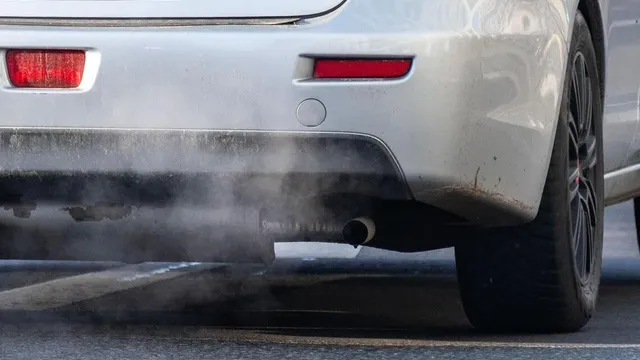
On December 16, 2025, the European Union altered its earlier ban on the sale of new petrol and diesel vehicles by 2035. This decision came amid significant pressures from car manufacturers, particularly those in Germany, who argued that the original goals set in 2023 were unrealistic in light of ongoing competition from other countries and the slow transition to electric vehicles. The revised proposal now requires that 90% of new car sales must be zero-emission by 2035, thus allowing for 10% to still consist of petrol or diesel vehicles and hybrids. Environmental groups expressed their dismay over this relaxation in climate policy, warning that such concessions could set back efforts to transition to a greener automotive industry. Critics also cautioned that this compromise may weaken the EU’s overall climate objectives and affect investment in electric vehicle infrastructure.


