

Winter storm wreaks havoc on Thanksgiving travel plans
Winter storm wreaks havoc on Thanksgiving travel plans
- A powerful winter storm is impacting travel conditions across the northern Plains and Great Lakes regions.
- The storm has caused numerous traffic accidents and power outages in affected areas.
- Travelers are urged to exercise caution as conditions are expected to worsen over the Thanksgiving weekend.
Story
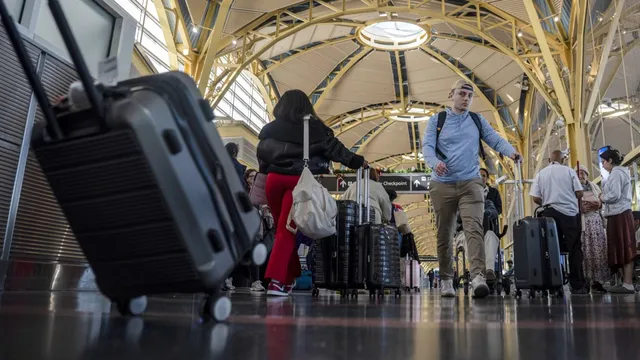
In the United States, particularly across the Upper Midwest, a powerful winter storm caused significant disruptions during the busy Thanksgiving travel period. On November 27, 2025, areas including Minnesota, Wisconsin, and Michigan experienced heavy snowfall and strong wind gusts, resulting in hazardous driving conditions. The storm led to numerous traffic accidents, with reports of over 250 crashes in Minnesota alone, some resulting in injuries. Furthermore, tens of thousands of customers experienced power outages in parts of northern Wisconsin and Michigan's Upper Peninsula. The National Weather Service had forecasted persistent blizzard conditions due to the storm, which would continue affecting travel through the Thanksgiving holiday weekend. Airports in the central U.S. were also impacted, leading to numerous delays and ground stops due to the severe weather, which posed challenges for travelers returning home. Additionally, meteorologists predicted another winter storm was on the horizon, set to affect more than 40 states starting the day after Thanksgiving, raising further concerns over travel safety and conditions over the holiday period. The American Automobile Association estimated approximately 81.8 million Americans would travel during the Thanksgiving season, marking one of the busiest in years, with many travelers opting for road trips despite adverse weather uncertainties.
Context
Thanksgiving is one of the most traveled holidays in the United States, with millions of Americans taking to the roads and skies to spend time with family and friends. Historical travel statistics reveal a steady increase in travel during this holiday over the past several decades. In 2023, it was estimated that over 55 million people traveled at least 50 miles from their homes, marking one of the highest travel volumes since the American Automobile Association (AAA) began tracking Thanksgiving travel. The rise in travel is often attributed to several factors, including improved economic conditions, a lower unemployment rate, and a growing population, all contributing to a higher propensity to travel during this holiday period. Road travel remains the most popular mode of transportation during Thanksgiving, with approximately 90% of travelers opting to drive to their destinations. The increase in gas prices tends to have a minimal effect on travel decisions during this holiday, as the emotional and cultural significance of Thanksgiving often outweighs financial concerns. Despite fluctuations in fuel costs over the years, Americans remain committed to their travel plans, often planning trips many weeks or even months in advance. As such, highways across the nation become congested with traffic, particularly on the Wednesday before Thanksgiving and the Sunday following the holiday. Air travel has also shown significant growth during the Thanksgiving period, with airlines reporting a surge in ticket sales each year. In 2023, the Transportation Security Administration (TSA) screened approximately 27 million passengers over the Thanksgiving travel week, underscoring the continued reliance on air travel for long-distance journeys. To accommodate the high demand, airlines typically increase their flight schedules and use larger aircraft, which can seat more passengers. This results in packed airports and the likelihood of delays, as travelers navigate security lines and weather-related disruptions that are common during late November. The impact of travel during Thanksgiving is not limited to just transportation metrics; it also has substantial economic implications. The surge in travelers boosts local economies across the nation as restaurants and retailers benefit from increased consumer spending. Additionally, hotels and hospitality services see a rise in occupancy rates as families and friends gather for celebrations. However, increased travel also raises concerns regarding safety, as roads and airports become busier than usual. Historical data indicates a rise in accidents during this period, prompting law enforcement agencies to increase patrols and awareness campaigns focused on safe travel practices. Overall, Thanksgiving travel patterns illustrate the importance of this holiday in American culture, emphasizing family connections and the enduring tradition of gathering together.


