

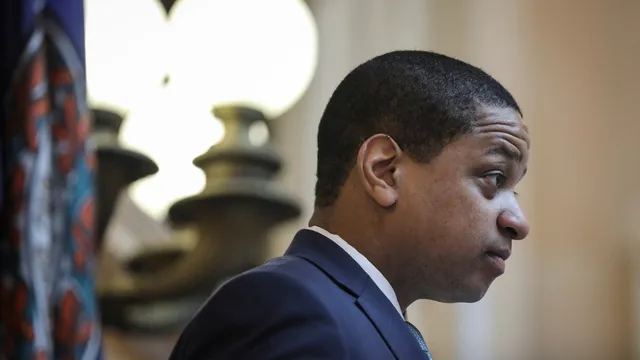
Justin Fairfax kills wife and himself in shocking murder-suicide
Justin Fairfax kills wife and himself in shocking murder-suicide
- Justin Fairfax and his wife Cerina were found dead in their home in Annandale, Virginia, in a murder-suicide incident.
- The couple had been separated for nearly two years amidst a complicated divorce process, with both children present at the scene.
- The tragic event has drawn expressions of shock and sympathy from political leaders and the community.
Story
In the United States, a tragic incident occurred involving Justin Fairfax, the former lieutenant governor of Virginia, and his wife Cerina. On a Thursday morning in April 2026, authorities discovered their bodies at their home in Annandale. Both of their teenage children were present at the time. Prior to this incident, the couple had been experiencing a tumultuous separation, with Cerina filing for divorce in the previous summer after nearly two years of estrangement. In the months leading up to the shooting, tension in their marriage escalated, including an allegation made by Justin of domestic assault against Cerina earlier in the year. The incident appeared to be the culmination of ongoing marital problems and was described as a complex domestic dispute by local law enforcement. Investigators noted that the shooting was not preceded by a prolonged altercation, suggesting that it was sudden and violent. Kevin Davis, the Fairfax County police chief, indicated that the tragic event shocked the community and highlighted the distressing impact of domestic violence on families. Justin Fairfax had a notable political career, having served as the second Black lieutenant governor of Virginia from 2018 until 2022. However, his career was marred by allegations of sexual assault, which he consistently denied. Following these accusations, his political ambitions suffered, most notably when he lost the Democratic primary while running for governor in 2021. The implications of these revelations placed strain on his personal life, culminating in this devastating murder-suicide. Community leaders expressed their sorrow upon hearing the news, emphasizing the tragic loss for their children who witnessed the incident. Former Virginia Governor Ralph Northam and Democratic Senators Mark Warner and Tim Kaine released statements mourning the loss and offering condolences to the surviving children of the Fairfax family. The situation highlights the intersection of personal turmoil and public life, leaving the community in shock over such an unexpected and heartbreaking outcome.
Context
Murder-suicides represent a tragic and complex phenomenon that impacts various facets of society, particularly the children who are often the most vulnerable victims in these situations. The psychological and emotional ramifications of such violent acts are profound, and the effects on children can be devastating. Studies indicate that children who witness or are otherwise aware of a murder-suicide in their family or community experience a range of responses including grief, confusion, and traumatic stress, which can lead to long-lasting mental health issues. The narrative surrounding these events often overshadows the critical need for support and intervention for affected children, thereby necessitating a focused examination of their experiences and needs. Children exposed to murder-suicides face unique challenges that can compromise their sense of safety and stability. Research has shown that these experiences can disrupt normal development, leading to both immediate and chronic psychological effects. Symptoms of post-traumatic stress disorder (PTSD), anxiety, depression, and behavioral issues are prevalent among these children. For instance, younger children may regression in behaviors such as bedwetting or clinginess, whereas older children may exhibit anger or withdrawal. These varied responses highlight the need for targeted mental health services to assist children in processing their trauma and developing healthy coping strategies. Additionally, the aftermath of murder-suicides often involves changes in household dynamics and living conditions, which can further exacerbate the trauma experienced by children. They may be removed from their primary caregivers, face changes in custody arrangements, or need to navigate newfound financial instability. Each of these factors can negatively impact a child's sense of security and well-being. It is essential for social workers, educators, and mental health professionals to be aware of these challenges in order to provide comprehensive support tailored to each child's specific needs. Through collaborative efforts, communities can implement preventive measures and ensure ongoing interventions to mitigate the impacts of these tragedies. In conclusion, the impact of murder-suicides on children is a critical societal issue that demands attention and action. Ensuring that affected children receive the appropriate psychological support and resources can make a significant difference in their recovery and overall quality of life. By fostering awareness among communities and professionals about the complex emotional landscapes children may navigate following such events, we can mobilize efforts to create safer, more supportive environments for these vulnerable individuals. It is imperative that we not only recognize the problem but actively seek solutions that prioritize the well-being and resilience of children faced with the trauma of murder-suicides.


