

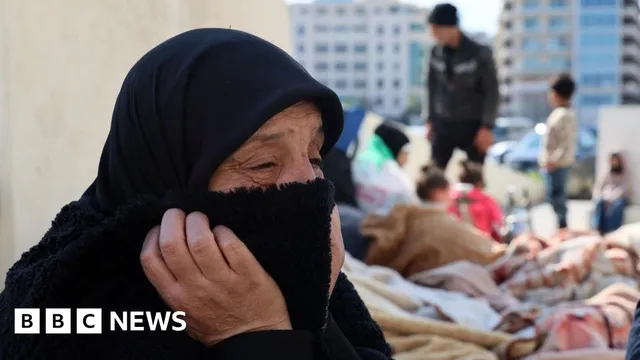
Hezbollah escalates conflict by firing rockets into Israel
Hezbollah escalates conflict by firing rockets into Israel
- Following the assassination of Iranian Supreme Leader Ali Khamenei, Hezbollah launched rockets at Israel.
- Israel's military response included airstrikes in various Lebanese regions, resulting in numerous casualties.
- The ongoing conflict underscores the tension between regional politics and the stability of Lebanon's internal situation.
Story
In the ongoing conflict between Israel and Hezbollah, which has escalated in the wake of the assassination of Iranian Supreme Leader Ali Khamenei, Lebanon finds itself in the midst of renewed violence. Following a 13-month war that officially ended in November 2024, both sides have continued their hostilities through military actions. Hezbollah launched rockets and drones targeting an Israeli missile facility, claiming it was a deterrent response to Israeli aggression that has spanned over a year. Despite a ceasefire agreement, airstrikes and ground incursions by Israeli forces into Lebanese territory have persisted almost daily, leading to heightened tensions and further violence in the region. Lebanon serves as the battleground for this escalating conflict, marking a dangerous expansion of hostilities involving key regional players: Israel, Iran, and the United States. Israeli airstrikes reportedly targeted Hezbollah strongholds, including the urban Dahieh area of Beirut, the Bekaa Valley, and areas in southern Lebanon. This military escalation has resulted in significant casualties, with dozens of Lebanese reported dead due to Israeli bombings in retaliation for Hezbollah’s attacks. The renewed hostilities raise critical questions about the future of Hezbollah’s armed resistance, given that many Lebanese citizens, including members of the Shia community that typically supports the group, express frustration and anger over its aggressive actions. Internally, Hezbollah faces challenges in maintaining its position, as divisions have emerged regarding its strategies moving forward. The pressure mounts on Lebanon, already beset by a severe economic crisis, with ongoing military engagements exacerbating the situation. The dire circumstances put substantial strain on the local population, many of whom have voiced their discontent with Hezbollah's decision to engage in renewed hostilities, viewing it as reckless and unnecessary. As military operations continue, Israeli officials assert that the goal is to eliminate any potential military threats posed by Hezbollah, indicating the possibility of a prolonged engagement. The cycle of violence appears to have no end in sight, with no clear resolution or timeline established by either Hezbollah or Israel. As the conflict unfolds, it models a larger struggle rooted in geopolitical tensions, with Lebanon caught in the crossfire of broader international rivalries. The ramifications of this conflict not only threaten regional stability but also risk plunging Lebanon further into chaos, as the community grapples with the impact of hostilities in a country already enduring multifaceted crises, including economic turmoil and political instability.
Context
insight policy shift strategic strategic strategic trends global geopolitical analysis impact insight insight data shift trends shift market global global data global shift market impact data market data global global economic market analysis analysis strategic trends trends market impact data data shift impact impact analysis global analysis policy geopolitical trends global market economic geopolitical shift analysis market economic insight analysis policy insight insight global insight economic shift shift data economic trends impact shift insight shift trends insight geopolitical market data...


