
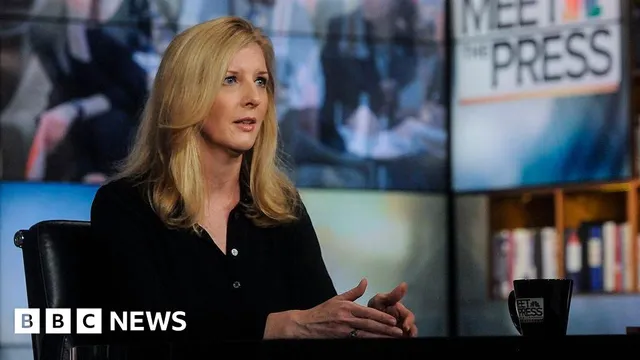
Kathryn Ruemmler resigns amid scrutiny over Epstein ties
- Kathryn Ruemmler, Goldman Sachs' top lawyer, resigned after scrutiny over her friendship with Jeffrey Epstein.
- Emails revealed she referred to Epstein as 'Uncle Jeffrey' and accepted gifts from him.
- Her resignation is viewed as a consequence of the reputational pressure faced by Goldman Sachs.
Story
In the United States, Kathryn Ruemmler, the top lawyer for Goldman Sachs, announced her resignation after facing increasing pressure over her friendship with the late sex offender Jeffrey Epstein. Her resignation will be effective from June 30, following revelations from emails disclosed by the US justice department. Ruemmler referred to Epstein affectionately as "Uncle Jeffrey" and received luxurious gifts from him, leading to considerable public relations challenges for Goldman Sachs, particularly due to Ruemmler's leadership of the firm's reputational risk committee. Ruemmler joined Goldman Sachs after serving as White House counsel to former US President Barack Obama. The emails, which showed that she maintained extensive communication with Epstein from 2014 to 2019 while she was in private practice, revealed that she had advised Epstein on how to resist media scrutiny and indicated a deeper friendship than previously understood. Despite this, she claimed that her interactions with him were based on a professional relationship and stated that she had no knowledge of his criminal activities at the time. As details about her connection to Epstein emerged, they stirred controversy, resulting in a “drip” of revelations which became problematic for Goldman Sachs. Ruemmler acknowledged that her priority was to uphold the interests of the bank and expressed gratitude for her time spent in the role. The backlash from the released emails coupled with the community's growing concern regarding friendships with Epstein resulted in significant media scrutiny. The situation surrounding Ruemmler's resignation reflects a broader struggle within professional environments to navigate personal and reputational risk in the wake of public revelations concerning high-profile individuals. Corporate responses and personal accountability are under greater scrutiny, and Ruemmler's departure signifies a pivot in how companies may need to handle relationships with potentially problematic individuals in the future.
Context
The impact of the Epstein scandal on corporate America has been profound and multifaceted, affecting various aspects of business operations, corporate governance, and public perception. Jeffrey Epstein's connections with influential figures in politics, finance, and entertainment catalyzed a re-examination of ethical standards and practices within organizations. Companies linked to Epstein or his associates faced increased scrutiny, causing many to reassess their partnerships and affiliations to avoid reputational risks. This shift has prompted a trend toward greater transparency and accountability, as businesses strive to distance themselves from any associations with individuals mired in controversy. The scandal has served as a catalyst for broader discussions around corporate responsibility and the ethical implications of leadership. Numerous corporations have instituted stricter governance policies and codes of conduct to ensure that their leadership aligns with ethical values. The calls for more diverse and ethically-minded boards have gained momentum, as stakeholders advocate for representation that reflects a commitment to social responsibility. Having previously focused solely on profitability, many companies are now scrutinizing their leadership decisions through a lens of integrity and public trust. Moreover, the Epstein scandal has heightened awareness regarding issues of sexual misconduct and exploitation within corporate environments. This heightened scrutiny has resulted in increased pressure on companies to implement robust reporting mechanisms and support systems for employees. The #MeToo movement, which gained traction prior to the scandal, has further amplified calls for transparent handling of misconduct allegations. Organizations are now prioritizing training and education to foster safe workplaces, acknowledging that protecting employees and holding offenders accountable play critical roles in maintaining a healthy corporate culture. In conclusion, the repercussions of the Epstein scandal extend deep into the fabric of corporate America, reshaping policies and practices concerning ethics, accountability, and workplace conduct. The shift towards transparency and a commitment to ethical leadership is evident, as organizations strive to rebuild trust with their stakeholders. As corporate America navigates the aftermath of the scandal, the focus on upholding strong moral values and ensuring the safety and dignity of all employees is becoming an essential aspect of sustainable business practices.
