
Claudia Sheinbaum launches investigation after US officials die in Mexico crash
- Two US officials and two Mexican officials died in a car crash in Chihuahua, Mexico, after a counter-narcotics operation.
- Mexican President Claudia Sheinbaum ordered an investigation, stating her government had not been informed of the joint operation.
- The incident raises concerns about foreign operations on Mexican soil without prior federal approval.
Story
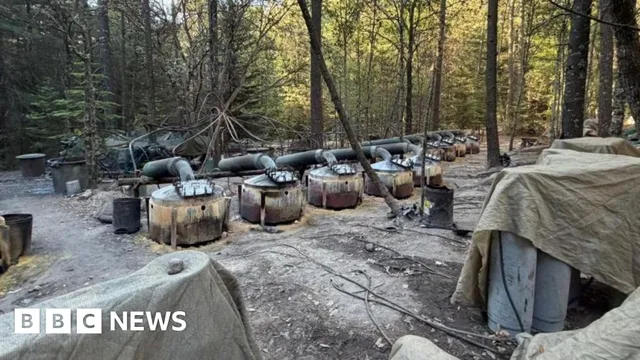
In Mexico, an incident involving two US officials who died in a car accident has raised serious questions regarding their involvement in a counter-narcotics operation. The crash occurred on a Sunday morning in the northern state of Chihuahua, where the officials were returning from an operation aimed at destroying illegal drug labs. Accompanying them were two Mexican officials who also lost their lives in the accident. Mexican President Claudia Sheinbaum has since demanded a thorough investigation to understand the circumstances surrounding the event. She emphasized the importance of national sovereignty and indicated that prior federal approval is necessary for foreign officials to conduct operations in Mexico. The specifics surrounding the joint operation have led to significant scrutiny. President Sheinbaum publicly stated that she and senior members of her security team were not informed of any joint US-Mexican operations prior to the crash. This decision comes at a time when she faces pressure from U.S. officials, notably President Donald Trump, to intensify efforts against drug trafficking from Mexico. Trump's demands for increased action against drug flows have complicated the relationship between the two countries, making this incident all the more critical. Reports indicate that the two American officials were described as 'instructor officers' from the U.S. embassy, engaged in training exercises within Mexico. Chihuahua State Attorney-General César Jáuregui confirmed that the crash happened while they were returning from their mission to dismantle clandestine drug production labs. The Mexican government is now questioning whether the operations they were involved in violated national security laws, which prohibit joint operations without explicit federal consent. This has prompted Sheinbaum's administration to request comprehensive details from both the U.S. embassy and state authorities to clarify the legal implications of the operation. The tragic loss of life serves as a poignant reminder of the complexities in international cooperation in drug enforcement. With both American and Mexican officials expressing condolences, the focus now shifts to how this incident will impact future collaborative efforts. This situation underscores the ongoing challenges of addressing drug-related violence and the operations of drug cartels in Mexico while maintaining respect for national sovereignty. As an investigation unfolds, the international community watches closely to gauge the outcome and monitor changes in policies regarding cross-border security operations.
Context
The history of US-Mexico collaboration in drug enforcement is rooted in the shared challenges both nations face regarding drug trafficking and the associated violence. This partnership has evolved over decades, marked by various political, social, and economic factors. Initially, the collaboration primarily focused on sharing intelligence and resources to combat the production and distribution of narcotics. In the 1980s, the emergence of powerful drug cartels in Mexico prompted a stronger bilateral approach, culminating in several formal agreements aimed at enhancing cooperation. Agencies such as the Drug Enforcement Administration (DEA) in the United States and the Federal Police in Mexico began to coordinate operations, sharing intelligence and training operatives to tackle drug trafficking more effectively. As drug-related violence surged in the 1990s and 2000s, the US-Mexico collaboration intensified, leading to initiatives like the Merida Initiative in 2007. This program provided Mexico with substantial resources, including funding, equipment, and training to combat drug cartels. It marked a significant shift in US policy by not only focusing on drug interdiction but also on capacity-building for Mexican law enforcement agencies. This partnership aimed to address the root causes of drug trafficking, fostering stability and reducing violence. However, challenges persisted as cartels adapted to law enforcement strategies, leading to ongoing violence and a constant need for updated tactics in drug enforcement. Despite the challenges, some progress has been marked by the collaboration. Joint operations led to the arrest of high-profile cartel leaders, disrupting their operations and diminishing their power temporarily. Additionally, both countries have made strides in addressing public health issues related to drug addiction, emphasizing the need for treatment and prevention rather than solely punitive measures. The dialogue between the entities has evolved to include tackling corruption, enhancing judicial processes, and focusing on community safety. These discussions have helped foster a more comprehensive approach to addressing drug-related issues in both nations. The future of US-Mexico collaboration in drug enforcement will likely continue to adapt as new trends in drug trafficking and usage emerge. The ongoing opioid crisis in the United States has heightened the urgency for effective measures to combat not only trafficking but also the social and health impacts of drug abuse. Continued partnership will be essential, focusing on intelligence sharing, joint operations, and services for addiction treatment. As both nations confront the complex nature of drug-related challenges, their collaboration will remain pivotal in shaping effective strategies to enhance security and public health while fostering bilateral relations.
