

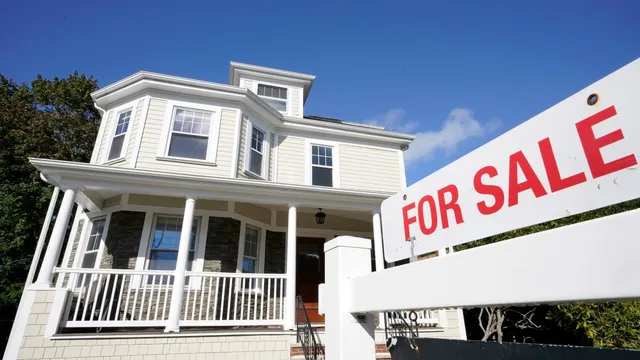
Housing market shifts drastically as sellers outnumber buyers by 600,000
Housing market shifts drastically as sellers outnumber buyers by 600,000
- The U.S. housing market has shifted in favor of buyers, with sellers outnumbering them by over 600,000.
- As of January, home prices were still rising but at a slower pace, with fewer homes sold compared to the previous year.
- The underlying affordability issues continue to affect the ability of many potential buyers to enter the market.
Story
In recent months, the U.S. housing market has undergone a significant transformation, finally tipping the scales in favor of buyers, with reports indicating that sellers outnumber buyers by more than 600,000. This represents a remarkable change from the seller’s market that has predominated for several years, during which homebuyers faced a chronic shortage of available properties and escalating prices. Many buyers were forced to withdraw due to affordability concerns and economic anxiety, leading to a notable 30 percent gap between buyers and sellers just a year ago. As a result of increased listings across various parts of the country, buyers now find themselves in a position to negotiate better prices. The shift is characterized by Redfin's definition of a buyer’s market, where inventory currently exceeds buyer demand by more than 10 percent. However, the current data still reflects rising home prices and elevated mortgage rates, making it a challenging landscape for many prospective buyers. January data shows a decline in sales, with the U.S. recording 277,575 home sales, marking a drop of 9.03 percent year-over-year, with properties taking longer to go under contract. The situation underscores that, despite favorable conditions for buyers, affordability remains an issue. Interestingly, a significant factor contributing to this buyer’s market is not only the growth in the number of homes for sale but also the behavior of current sellers. Many homeowners who do not have urgent reasons to sell are opting to delist their homes upon realizing that potential buyers are unwilling to meet their asking prices. The strongest buyer's markets have emerged predominantly in states like Florida and Texas, where a rapid influx of new homes was constructed during the pandemic. These areas have seen a noticeable reduction in demand as economic conditions shifted, with a growing trend of sellers hesitant to enter the market. Miami, Florida is particularly notable, showcasing an estimated 159 percent more sellers than buyers. Mortgage rates have improved slightly compared to six months ago, encouraging some buyers to return. However, the limited selection of homes available continues to keep prices competitive, suggesting that while some improvement has occurred, the market remains fraught with challenges. It is indicative that while the data points towards a market trend favoring buyers, the lived experience for potential homeowners is still impacted greatly by financial constraints.


