

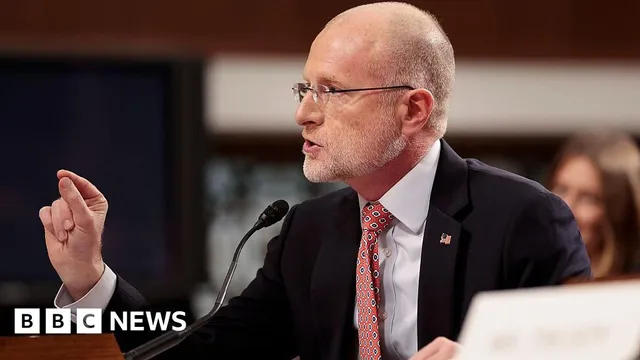
Brendan Carr attacks media over Iran war coverage
Brendan Carr attacks media over Iran war coverage
- Brendan Carr criticized media coverage of the Iran War, threatening to revoke licenses if they do not follow public interest standards.
- The statement came after Donald Trump's remarks about misleading headlines from news organizations concerning the war.
- Political figures from various parties have condemned Carr's comments, fearing threats to press freedom.
Story
In the context of ongoing conflicts in the Middle East, the media's portrayal of the Iran War has come under scrutiny. On a Saturday, Brendan Carr, chairman of the Federal Communications Commission, created a stir with his comments on social media, where he suggested that the media was not operating in the public interest concerning their reporting on the war. Carr went further, threatening to pull broadcasting licenses if he finds outlets publishing what he deems misleading coverage. This statement came in the wake of criticism from former President Donald Trump, who previously labeled news organizations as distortive concerning the war. The remarks prompted responses from various politicians and media figures, who accused Carr of seeking to intimidate the press and infringe upon their First Amendment rights. Notably, Democratic politicians such as Ted Lieu and Elizabeth Warren condemned Carr's stance, labeling it as authoritarian and anti-democratic. Carr's provocative comments reflect a broader trend where political leaders attempt to discredit the media during times of conflict, which raises profound implications for press freedom, the public’s right to information, and the dynamics of democracy in the United States. Press freedom advocates warn that actions like these could pose a dangerous precedent for government censorship and could suppress critical journalistic efforts during such conflicts.
Context
analysis shift shift market trends impact geopolitical global market insight market market geopolitical market insight global impact strategic strategic global market shift market strategic market data analysis market strategic policy economic data insight shift shift policy data economic policy global shift shift shift geopolitical analysis analysis analysis policy impact global economic market impact strategic economic geopolitical data market analysis insight market data policy market trends data trends analysis policy global insight economic impact policy impact shift global economic geopolitical geopolitical...


