

Indian government prioritizes shipping safety amid escalating Iran conflict
Indian government prioritizes shipping safety amid escalating Iran conflict
- Thousands of Indian sailors are at risk due to the closure of the Strait of Hormuz amidst escalating conflict.
- The Indian government is actively working to safeguard maritime routes for essential supplies, with Prime Minister Modi emphasizing this issue.
- Both seafarers and migrant workers face severe challenges, showing the broader impact of international conflict on domestic life.
Story
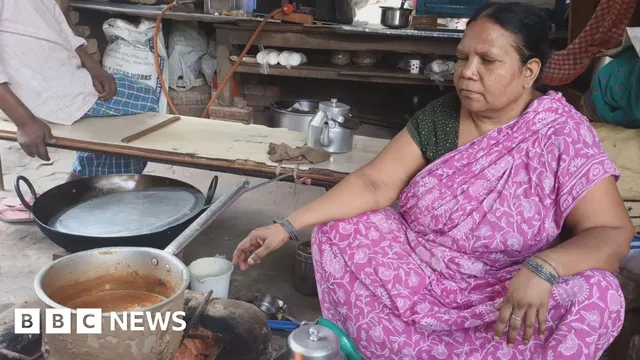
India is facing significant challenges with its seafarers due to the closure of the Strait of Hormuz, which has left thousands of Indian sailors in precarious situations. The recent conflict in Iran has created a hostile environment for maritime operations, particularly with reports of vessels being attacked, resulting in the tragic deaths of some Indian crew members. Amid this crisis, Indian Prime Minister Narendra Modi stated in March that the government is in active discussions with global suppliers to secure shipping routes for vital supplies, emphasizing the importance of ensuring safe passage for vessels carrying oil, gas, and fertilizers critical to the Indian economy. Shipping experts have expressed concerns about the systemic problems within recruitment practices, which have left sailors vulnerable and unaware of their rights. Critics argue that the focus on the economic commodities transported by ships often overshadows the people working aboard. Rakesh Ranjan, South Asia regional coordinator at the Institute for Human Rights and Business, mentioned that sailors are often treated as less important than what the ships are transporting, with inadequate provisions made to secure their safety. Many seafarers are now stuck in a situation where they cannot dock safely, and some have resorted to accepting higher-risk assignments for a small additional allowance, putting their lives at further risk. In parallel, Indian migrant workers are also grappling with severe shortages of cooking gas, forcing many to abandon city life and return to their home villages. Despite government reassurances about the stability of LPG supplies and steps taken to secure imports from nations like the US and Russia, migrant workers indicate a different reality. Many have struggled to find cooking gas due to inflated prices and informal buying networks being disrupted by the ongoing crisis, leading to food scarcity and forcing enterprises to close or reduce services. As the population of inter-state migrants in India is substantial, this shortage combined with economic impacts from closures in various sectors highlights growing unrest among these workers. These concurrent crises underline the broader implications of the conflict in Iran on everyday life in India, especially as it destabilizes both maritime safety for seafarers and essential supplies for countless families relying on cooking gas for their livelihoods. The situation is critical, demanding immediate and effective government intervention to prioritize the safety and well-being of all affected individuals, ensuring that policies reflect a compassionate commitment to those who contribute economically, even amid international conflicts. The immediate need for solutions represents a test for the government's ability to balance economic interests with human lives.
Context
The Strait of Hormuz is a strategic waterway that has significant implications for global trade, particularly for oil transportation. For Indian seafarers, the closure of this narrow passage would have far-reaching consequences. Approximately 20% of the world's oil passes through the Strait, and India relies heavily on these oil supplies to meet its energy demands. The closure would not only disrupt these supplies but also impact the employment opportunities for Indian seafarers who are heavily engaged in transporting oil and other goods through this vital channel. With the majority of crude oil exports to India coming from the Gulf region, any obstruction to navigation in the Strait of Hormuz would exacerbate the existing challenges in the maritime industry for Indian sailors, threatening their livelihoods and the overall economic balance of the nation. Moreover, a closure would result in increased shipping distances as vessels would need to reroute around the southern coast of Africa, leading to longer transit times and higher shipping costs. Indian seafarers, who are already under pressure from fluctuating wages, might see a decline in job opportunities as shipping companies adjust to new routes and higher operational expenses. The maritime ecosystem relies on predictable routes; any instability in the Strait could lead to reduced confidence among shipping businesses, further jeopardizing the employment of Indian sailors. In the case of confrontations and increased naval activity in the region, the safety of seafarers could also be compromised. Heightened conflict increases the risk of piracy, armed attacks, and vessel detainment, all of which threaten the safety and security of the crew on board. Indian seafarers, therefore, face not just economic repercussions but also personal safety concerns as geopolitical tensions in the region escalate. Furthermore, the reliance on the Strait for trade routes highlights the vulnerability of Indian maritime interests to political dynamics in the Middle East, necessitating a critical reassessment of maritime security strategies. To mitigate the impact of a potential closure of the Strait of Hormuz, Indian authorities and maritime associations might need to engage in diplomatic efforts to ensure safe passage and explore alternative routes. Enhancing maritime security through collaborations with neighboring nations and improving emergency preparedness can help safeguard the interests of Indian seafarers. Additionally, diversifying the energy supply chain to reduce reliance on oil transported via the Strait could help alleviate the economic dependency on this singular route. Overall, understanding the implications of the Strait's closure is essential for Indian seafarers and stakeholders within the maritime sector to navigate the challenges they face in an uncertain geopolitical landscape.


