
politics
controversial
speculation

Trump proposes Ted Cruz for Supreme Court, but Cruz firmly declines

Jan 28, 2026, 6:14 PM20
(Update: Jan 28, 2026, 9:24 PM)
president of the United States from 2017 to 2021
Canadian-American politician (born 1970)

Trump proposes Ted Cruz for Supreme Court, but Cruz firmly declines

  • President Donald Trump proposed Ted Cruz as a future nominee for the Supreme Court during a speech.
  • Cruz has publicly stated his refusal to accept a Supreme Court nomination, wishing to remain in the Senate.
  • The possibility of a Supreme Court nomination is contingent on a justice retiring, with Clarence Thomas being the oldest and most speculated individual.
Share opinion
Tip: Add insight, not just a reaction
2

Story

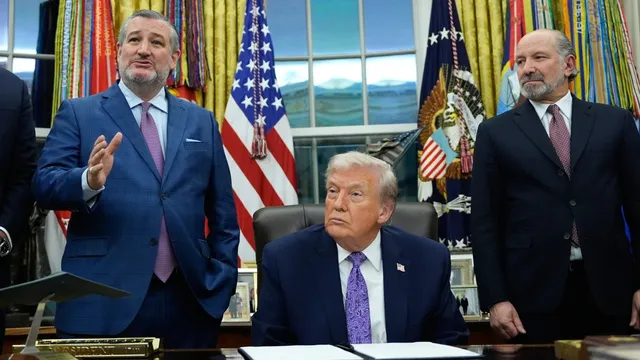
In a recent address at the Andrew W. Mellon Auditorium, President Donald Trump proposed Senator Ted Cruz as a potential nominee for the United States Supreme Court. This suggestion came amid ongoing discussions about the future composition of the court, especially considering the possibility of a sitting justice retiring. Trump humorously asserted that both Democrats and Republicans would back Cruz’s nomination, framing it as a win-win situation for both parties, as they would want to see him depart from the Senate. Despite the lighthearted tone, Cruz has previously communicated his lack of interest in accepting any Supreme Court nomination, stating directly to Trump that the answer was ‘not only no, but hell no.’ He further expressed that he prefers to engage in political battles from the legislative branch rather than from the bench, viewing the role of a federal judge as one that should remain aloof from political strife. Cruz frequently emphasizes his commitment to ensuring conservative judicial appointments without taking on the role himself. As it stands, there are no immediate plans for any current justices to retire, which adds a layer of complexity to any potential nomination. Notably, Justice Clarence Thomas, who is the oldest serving justice at 77 years old, is often speculated as a candidate for retirement, but he has given no public indication that he plans to resign. Throughout his tenure, Thomas has maintained a position on the court since 1991 and has rebutted retirement rumors, which suggests a degree of stability within the court’s current makeup. Trump's suggestions about Cruz can be seen as part of a broader strategy to secure a judicial nomination that aligns with his and the Republican Party's ideological goals. The topic of judicial appointments remains significant, especially with the looming midterm elections that could shift control in the Senate. If Republicans lose their majority, it may become challenging for Trump to secure confirmations for any nominees he proposes, particularly if those nominees face opposition from Democrats. The future of the Supreme Court and its composition thus hinges on myriad factors, including potential retirements and the balance of power in the Senate. Trump's remarks about Cruz also underscore the political dynamics between them, indicating a closeness that has developed over years, despite a rocky start during the 2016 Republican primary campaign. As both figures continue to navigate their political careers, the implications of any vacancy on the Supreme Court will likely resonate politically and legally well into the future.

2026 All rights reserved
