

WHO prepares for nuclear incident amid escalating tensions in Middle East
WHO prepares for nuclear incident amid escalating tensions in Middle East
- World Health Organization officials are increasingly concerned about the potential for a nuclear incident amid escalating U.S.-Israeli military activities in Iran.
- A recent near-miss at the Bushehr Nuclear Power Plant highlights the dangers of military strikes near nuclear facilities.
- There is a strong call for global awareness and preparedness to address the potential long-term health and safety impacts of any nuclear incident.
Story
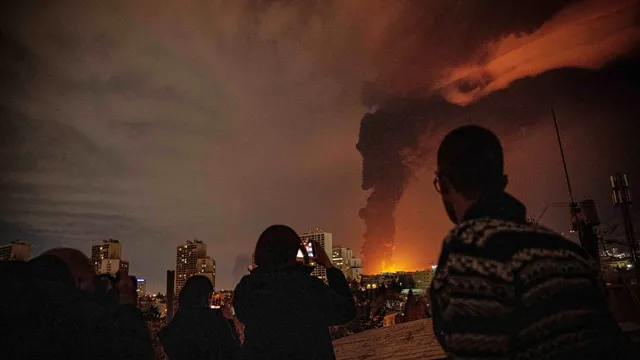
In the context of heightened military actions involving the United States and Israel against Iran, World Health Organization officials, including Hanan Balkhy, have stated they are preparing for a 'worst-case scenario' involving a nuclear threat. The ongoing conflict, exacerbated by airstrikes against Iran's nuclear sites, raised concerns about potential nuclear disasters if military actions escalate further. As the region faces war's severe consequences, including thousands of fatalities, the repercussions may extend globally, emphasizing the urgent need for preparedness against nuclear incidents, which pose long-lasting health risks due to radiation exposure. WHO staff are now receiving updated training on responding to nuclear emergencies. Additionally, Mikhail Ulyanov, a senior Russian official, warned of a recent strike near Iran's Bushehr Nuclear Power Plant, indicating a risk of a major nuclear catastrophe. Russia's Rosatom Corporation, involved in the plant’s operations, noted that a projectile struck near a metrology service building associated with the power plant. Although there were no confirmed casualties or reported damage, the situation remains precarious, highlighting the risks presented by military operations surrounding nuclear facilities. The International Atomic Energy Agency responded cautiously, noting that they were informed of the incident but maintained that the radiation levels at Bushehr remained normal and urged all parties involved to exercise maximum restraint. Tensions are notably heightened in the region, especially with the recent call by U.S. officials to dismantle Iran's nuclear capabilities further. The U.S. airstrikes aimed to obliterate any facilities associated with Iran's nuclear enrichment program, with reports suggesting that there have been significant impacts on Iran's nuclear development efforts, evidenced by the destruction of critical enrichment facilities. Despite these escalations, there are ongoing concerns about whether the conflict could lead to a nuclear incident, making the enhanced vigilance of health organizations essential. Moving forward, all parties must be aware of the broader implications of military strikes, particularly regarding potential nuclear risks, which could have catastrophic effects on health and safety both locally and globally.


