

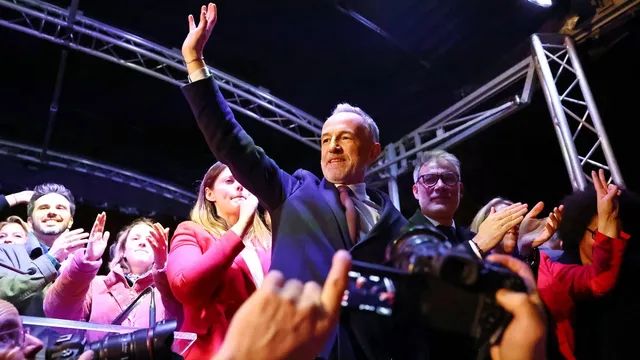
Socialists maintain control in key French cities during elections
Socialists maintain control in key French cities during elections
- French local elections on March 22, 2026, saw significant results in major cities like Paris and Marseille.
- Although the far right aimed for gains, the Socialists successfully retained their governing positions.
- The outcomes indicate a potential future advantage for mainstream parties in the upcoming presidential elections.
Story
In France, local elections took place on March 22, 2026, where voters elected mayors in Paris, Marseille, and over 1,500 other municipalities. The elections served as a crucial test for the far-right National Rally, as their anticipated gains fell short, particularly in major urban areas. The Socialist candidates managed to secure significant victories in key cities including Paris and Marseille, where incumbent mayors faced challenges from both conservative and far-right candidates. Despite some gains for nationalist right in places like Nice, the overall results indicated a resilience among mainstream parties. The elections revealed a fragmented political landscape and highlighted shifting alliances, notably the far-left France Unbowed group's contested role in local politics. Voter turnout was reported at 20.3%, reflecting an increase compared to previous rounds. In Marseille, the close contest featured a candidate from the far-right National Rally, which was anticipated to perform well; however, their chances were weakened as the left consolidated support against them. Paris, running under leftist leadership since 2001, remained a tight race for the incumbent Socialist candidate Emmanuel Gregoire. In contrast, the results indicated some electoral gains for both the far-left and far-right factions among smaller municipalities, demonstrating their growing presence particularly in suburban and provincial areas. While the National Rally fell short in larger cities, they did manage to secure some victories elsewhere, signaling potential issues for mainstream parties if left unchecked. Overall, the outcomes of these elections may have implications for the presidential elections set to take place next year in 2027. The mainstream parties can take solace in their substantial local victories, fostering optimism for potential success in a broader electoral context against more extreme candidates. As the political landscape evolves, the implications of candidate alliances and opposition strategies continue to unfold, reshaping voters' allegiances and impacting future election dynamics.
Context
The impact of local elections on the French presidential race is a crucial area of focus, particularly during election cycles. Local elections serve as a bellwether for national political trends, offering insight into voter sentiment, party performance, and the public’s priorities. The results can effectively gauge the strength and weaknesses of the leading parties and their candidates, shaping the strategies they will adopt leading up to the presidential elections. The interplay between local and national politics becomes increasingly relevant as local officials often serve as party representatives and can influence broader political discourse and voter engagement. In recent years, local elections in France have indicated a growing discontent among voters, reflecting national issues such as economic challenges, public services, and immigration. For instance, regions experiencing economic stagnation or rising unemployment have seen shifts toward parties that promise radical reforms. This shift highlights how local concerns can crystallize into national political movements, as demonstrated by the rise of parties that leverage local electoral grievances to build a national presence. The presidential candidates must therefore carefully analyze local election results to identify which issues resonate with constituents and adapt their campaigns accordingly. The emergence of new political movements, particularly those that challenge established parties, further complicates the landscape ahead of presidential elections. Local elections often act as testing grounds for these movements, allowing them to gauge their level of support and refine their messaging. In particular, smaller parties may make significant gains in local elections, drawing attention away from major parties and signaling a potential realignment in the political landscape. Candidates aspiring to the presidency must pay close attention to these shifts, as they can reflect broader societal changes that could dictate the outcome of the next presidential race. In conclusion, local elections in France play a pivotal role in shaping the presidential race by affecting party dynamics, influencing voter behavior, and identifying key issues that resonate with constituents. Outcomes of these elections serve as critical indicators of the political climate and provide insights for candidates and parties striving for success on a national scale. Engaging with local electorates and addressing their concerns becomes essential for presidential candidates aiming to secure a mandate that reflects the will of the people.


