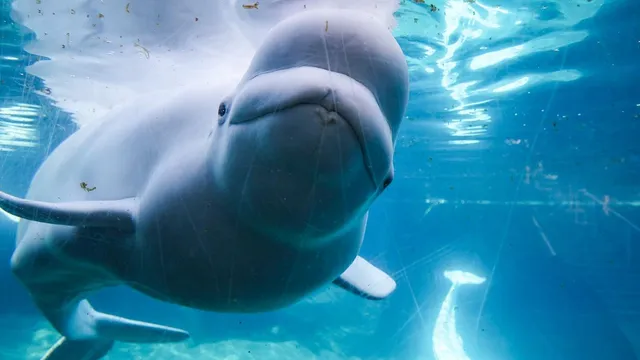
The closure of Marineland has significant implications for marine life, both in captivity and in the wild. Marineland, known for its marine mammal exhibits and aquatic shows, has been a focal point for public engagement with marine species. However, the ethical concerns surrounding the treatment of marine animals in captivity have led to increased scrutiny and calls for closure. The impact of this closure extends beyond the immediate welfare of the animals housed within the facility; it also affects conservation efforts, public education, and the overall perception of marine life in society.
With the closure of Marineland, many marine animals, including dolphins, seals, and various fish species, are being relocated to sanctuaries or rehabilitation centers. This transition is crucial for their well-being, as it allows them to live in environments that more closely resemble their natural habitats. The relocation process, however, must be carefully managed to ensure that the animals can adapt and thrive in their new surroundings. Additionally, the closure presents an opportunity for increased funding and support for marine conservation initiatives, as public interest in marine life often spikes following the closure of such facilities.
Moreover, the closure of Marineland may lead to a shift in public education regarding marine ecosystems. Without the presence of a marine park, alternative educational programs must be developed to inform the public about marine conservation, the importance of biodiversity, and the threats facing marine species. This could involve partnerships with local aquariums, educational institutions, and conservation organizations to create engaging and informative experiences that promote awareness and stewardship of marine environments.
In conclusion, while the closure of Marineland poses challenges, it also presents a unique opportunity to enhance the welfare of marine life and promote conservation efforts. The focus must now shift towards ensuring that the animals are cared for in a manner that prioritizes their health and well-being, while also fostering a greater understanding of marine ecosystems among the public. By leveraging this moment, stakeholders can work together to create a more sustainable future for marine life, ultimately benefiting both the animals and the communities that engage with them.