

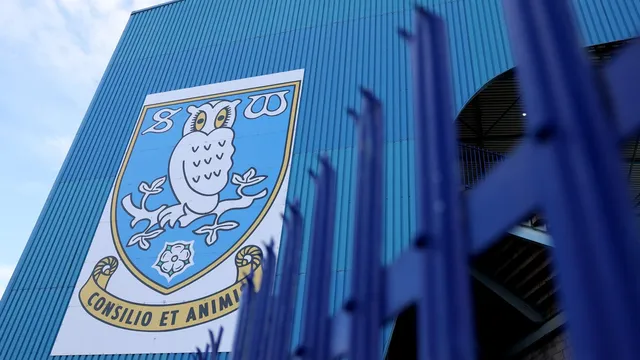
Sheffield Wednesday faces additional six-point deduction after entering administration
Sheffield Wednesday faces additional six-point deduction after entering administration
- Sheffield Wednesday FC entered administration on October 24, 2020, leading to a 12-point deduction from the EFL.
- The club was recently penalized with an additional six-point deduction for breaching EFL regulations.
- With the new deduction, the team's situation worsens, leaving them at -10 points and at risk of relegation.
Story
In the United Kingdom, Sheffield Wednesday FC recently faced severe penalties due to significant financial mismanagement. On October 24, 2020, the club entered administration, prompting an initial 12-point deduction from the English Football League (EFL). A subsequent investigation unveiled multiple breaches of EFL regulations, including failure to pay player and staff wages on time since March 2020. As a result, the club was imposed another six-point deduction and now sits at -10 points in the Championship table, making their chances of avoiding relegation bleak as they are deep in the relegation zone. The turmoil surrounding the club escalated during the tenure of former owner Dejphon Chansiri, who faced multiple charges for failing operational obligations. As fans began to protest against his management, they aimed to compel him to sell the club to a financially capable party. The club's financial struggles were highlighted when they failed to meet wage obligations consistently, leading to widespread supporter discontent and boycotts. In an attempt to regain some stability, the club appointed an administrator, looking for new ownership. In the days following the administration announcement, the response from fans was notably positive, contrasting the previous apathy toward the club's administration under Chansiri. Supporters reportedly raised considerable funds to support the team and purchase tickets, indicating a renewed commitment to salvage the club’s future. The involvement of the insolvency firm Begbies Traynor promised hope for a possible quick sale; nonetheless, with the six-point deduction, the club's relegation now seems imminent. The EFL's punitive measures not only affect the club but also bar Chansiri from holding ownership or managerial roles in any EFL club for three years. This ban demonstrates the EFL's intolerance of financial misconduct and highlights the growing concern about club stability within the league. With Sheffield Wednesday now sitting at the bottom of the Championship and far adrift from safety since the financial sanctions began, the situation represents a cautionary tale for football clubs regarding financial governance and administration.
Context
The impact of points deduction on football clubs is a multifaceted issue that can have profound consequences on a team's performance, finances, and overall reputation. Points deductions are typically imposed due to breaches of regulations, such as financial mismanagement, violations of transfer rules, or misconduct on and off the pitch. When a club is docked points, it can hinder their ability to compete effectively in league play, potentially leading to relegation or failure to qualify for lucrative competitions, such as the UEFA Champions League. This not only affects the immediate fortunes of the club in terms of league placement but can also have long-term ramifications regarding sponsorship deals, fan support, and player contracts, as players may seek to leave a club that is facing relegation or diminished prospects. Moreover, the financial implications of points deductions can be significant. When a club is relegated from a higher tier of competition due to a points deduction, they not only lose out on the immediate revenue that comes from being in the top division but also face decreased income from television rights and sponsorships. This can create a vicious cycle of financial instability, compelling clubs to sell their best players, increase ticket prices, or even face bankruptcy. The anticipation of points deduction can also lead clubs to make conservative decisions in their financial planning, which can further limit competitiveness and growth. The loss of fan engagement, due to underperformance following a deduction, can lead to dwindling match day revenues, adversely affecting club finances. In terms of reputation, a points deduction can tarnish the image of a club. Fans, sponsors, and the media often react strongly to any form of mismanagement or rule-breaking. A club that faces public scrutiny as a result of a points deduction may find it difficult to attract new supporters, retain existing patrons, and engage sponsors who wish to align themselves with successful and reputable entities. The historical context of points deductions also plays a role; for example, clubs that have previously faced such penalties may become associated with negative narratives, affecting public perception and stakeholder relationships long after the incident. Finally, the psychological impact on players and coaching staff cannot be overlooked. A points deduction can lead to a demoralizing environment, where players are anxious about their futures and may perform below their capabilities. Coaching staffs may feel burdened under the pressure to not only improve performance but also manage the sentiments of players and fans. Turning the tide in such a scenario requires adept leadership, comprehensive strategy, and a solid plan for recovery. Clubs must focus on rebuilding their structure, both on the field and off, to mitigate the long-ranging effects of points deductions. Successful navigation out of these challenging waters is possible, evidenced by clubs that have managed to bounce back stronger, thereby setting a template for resilience in the face of adversity.


