

Knepp estate witnesses significant biodiversity boost after rewilding project
Knepp estate witnesses significant biodiversity boost after rewilding project
- A 20-year ecological review at the Knepp estate shows significant increases in species diversity since 2000.
- Monitoring recorded a rise in bird species from 22 to 51, with 27 species of conservation concern breeding there.
- The project demonstrates that rewilding can lead to substantial ecological recovery and increased biodiversity.
Story
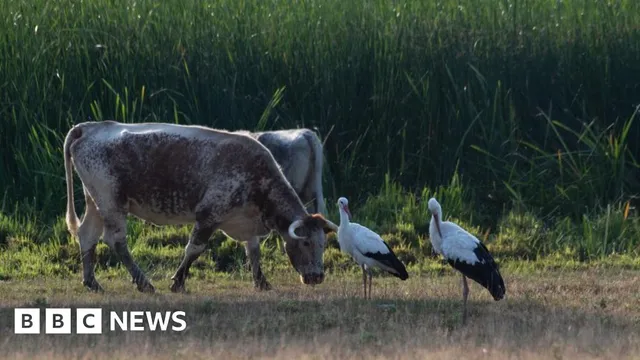
In West Sussex, England, a remarkable ecological transformation has taken place over the past two decades at the Knepp estate. Following the initiation of a rewilding project in 2000, the estate has undergone substantial changes, transitioning from a monoculture farmland to an ecologically diverse landscape. The project began without specific goals, merely observing nature's response to reduced human intervention. Isabella Tree, who co-owns the estate, shared that prior to the rewilding project, the land was heavily affected by pollution and farming practices that depleted natural habitats. The success of the project is evident in a recent 20-year ecological review conducted by Knepp ecologist Fleur Dobner. Data from the survey shows that the number of species on the estate has more than doubled since baseline surveys in 2005 and 2007. For instance, the count of individual bird species soared from 22 in 2007 to 51 in 2025, marking a peak with 559 individual birds. The estate has witnessed 27 bird species of conservation concern breeding on the site, including 12 that are red-listed. The population of singing male nightingales increased dramatically from nine in 1999 to 62, alongside impressive rises in other bird populations such as turtle doves and common whitethroats. In addition to avian life, the rewilding initiative has positively affected insect biodiversity, particularly butterfly and dragonfly populations. Grazing animals like longhorn cattle, deer, Exmoor ponies, and pigs were introduced to enhance the habitat variety. Enclosed beavers have created new wetland areas through their natural activities, and reintroduction projects have successfully brought white storks back to the region. These developments illustrate how the estate has shifted to a mosaic of habitats, providing various ecosystems that foster wildlife. The overall trajectory of biodiversity on the estate has not only confirmed the effectiveness of rewilding but also emphasizes the potential for nature reserves to significantly augment their land's carrying capacity. The Knepp estate stands as a pioneering example of how rewilding can rejuvenate ecosystems that had previously been degraded through intensive agriculture. As reported, ecologists believe this positive trend will continue in the years to come, suggesting that with time, the natural world can rebound from past human errors if given the opportunity.


