

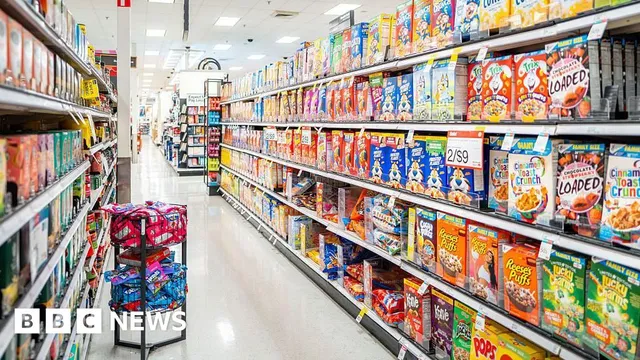
Target eliminates cereal with synthetic colors by May 2026
Target eliminates cereal with synthetic colors by May 2026
- Target has been phasing out synthetic colors in its cereals for several years.
- Historically, around 85% of Target's cereal sales come from products without synthetic dyes.
- The ban on synthetic colors illustrates a response to evolving consumer preferences for healthier food options.
Story
In a significant announcement, Target has decided to cease the sale of breakfast cereals made with synthetic colors by the end of May 2026. This decision reflects a broader trend in the United States, where consumers are increasingly scrutinizing the ingredients of packaged foods. Alongside this shift, major food companies have been promising to phase out artificial dyes as awareness of the potential health risks associated with synthetic colors grows. Target's move aligns with commitments made by other retailers and brands, such as General Mills and Kraft Heinz, to eliminate these chemical additives from their products. This change at Target is part of a larger initiative by health authorities to encourage healthier food choices across the country. As of now, approximately 85% of the cereals sold at Target do not contain synthetic colors, demonstrating the company's proactive approach in response to shifting consumer preferences for healthier options. The implementation of these new policies is set against the backdrop of political pressure, including calls from US Health Secretary Robert F. Kennedy Jr. to eliminate harmful ingredients from foods. This convergence of consumer demand, corporate responsibility, and governmental regulation suggests a transformative period for the food industry in America, with a clearer focus on health and wellness continuing to define the market landscape as retailers adapt to these trends.
Context
The usage of synthetic colors in food has become increasingly prevalent over the years, catering to consumer preferences for visually appealing products. These colors, often derived from petroleum or coal tar, are widely used in a variety of food items, including candies, beverages, and processed foods. The choices made by manufacturers are heavily influenced by marketing strategies that often prioritize aesthetics and consumer perception over potential health implications. This report aims to highlight the impact of such synthetic colors, examining their safety, regulatory status, and consumer attitudes towards their use. Research indicates that synthetic colors can sometimes elicit adverse health reactions in sensitive individuals, particularly children. Some studies have linked certain synthetic dyes to hyperactivity and allergic reactions, raising concerns among parents and health professionals alike. Regulatory bodies, including the U.S. Food and Drug Administration (FDA) and the European Food Safety Authority (EFSA), have established guidelines and acceptable daily intake levels for several synthetic dyes, though these regulations continue to be a topic of debate. The disparity in safety standards across different countries highlights the need for ongoing research and vigilance, as some dyes that are banned in certain jurisdictions remain approved elsewhere. The growing trend towards clean labeling and natural food products has prompted many manufacturers to seek alternative colorants derived from natural sources like fruits, vegetables, and spices. This shift is not merely a reaction to consumer demand but also aligns with a larger movement toward sustainable and health-conscious eating. Despite the higher costs and potential variability in natural color intensity compared to synthetic options, many brands are beginning to invest in these alternatives to maintain market competitiveness and consumer trust. The popularity of natural colors reflects an evolving landscape in food production, urging companies to adapt their strategies to meet healthier preferences. Public perception plays a crucial role in the ongoing discourse surrounding synthetic colors in food. Increased awareness through media and health advocacy has led to greater scrutiny of food ingredients, motivating consumers to educate themselves about what they consume. This proactive approach towards ingredient transparency indicates a heavier reliance on informed decision-making regarding food products. As consumer awareness continues to grow, it is likely that regulatory standards will also evolve, potentially leading to stricter guidelines on synthetic color usage in the food industry. The continuing investigation into the health impacts and regulatory practices surrounding synthetic colors highlights the urgent need for comprehensive research, consumer education, and proactive policy reform to safeguard public health.


