

Indonesian comedian questioned by police over alleged blasphemy in Netflix show
Indonesian comedian questioned by police over alleged blasphemy in Netflix show
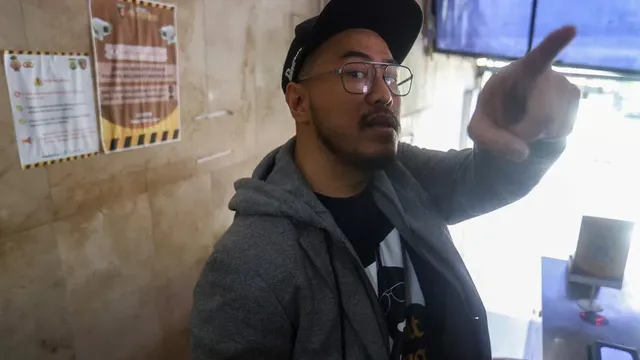
- Pandji Pragiwaksono was questioned by police on February 6, 2026, regarding allegations of blasphemy stemming from his Netflix special.
- The comedian affirmed that he would continue to follow the legal process and did not believe his material was blasphemous.
- The case has sparked significant debate in Indonesia about the intersection of art, religion, and freedom of expression.
Story
On February 6, 2026, Indonesian comedian Pandji Pragiwaksono faced police questioning in Jakarta after receiving several complaints about his Netflix special. The show, which premiered on December 27, 2025, includes satirical takes on Indonesian politics as well as critical commentary on major Muslim organizations in the country. After a rigorous seven-hour questioning session at the police headquarters, Pragiwaksono emerged expressing confidence in his innocence regarding the allegations of religious blasphemy. He emphasized that he would comply with any legal procedures involved in the situation. The police indicated that this questioning stemmed from five specific complaints lodged by individuals whom they stated are affiliated with the youth wings of the Nahdlatul Ulama and Muhammadiyah organizations. The complaints allege that the artist's content was both insulting and defamatory towards their groups. The backlash against Pragiwaksono's special reflects a broader cultural division within Indonesia, particularly around freedom of expression and how it intersects with religious beliefs. Many critics have voiced concerns about the potential for censorship following his show, while democracy activists have rallied in support of his right to speak freely. The split over his performance's reception is illustrative of the ongoing tensions in Indonesian society, where criticism of religious or political institutions can provoke strong reactions. Despite the controversy, Pragiwaksono has maintained his position that his work was a form of artistic expression and didn't violate legal boundaries regarding blasphemy. This incident is emblematic of an increasing trend in Indonesia where artists and entertainers are scrutinized for their content. The complaints against him also raised questions about the role of police in managing social dissent and the delicate balance between protecting religious sentiments and upholding freedom of speech. Amidst these developments, Nahdlatul Ulama and Muhammadiyah have distanced themselves from the accusers, clarifying that they do not endorse the reports filed against Pragiwaksono. As the situation unfolds, many await the outcome of his legal process with bated breath, as it could set a significant precedent for artistic freedom in a country where religion plays an important role in public life. The complexities of this case highlight both the timeliness of the discussions around satire and religion in Indonesia and the urgent need for dialogue about the limits of artistic expression in a rapidly changing political landscape. Pragiwaksono's special may have unwittingly ignited a broader conversation about the rights and responsibilities of comedians and artists in addressing sensitive topics in their work.


