

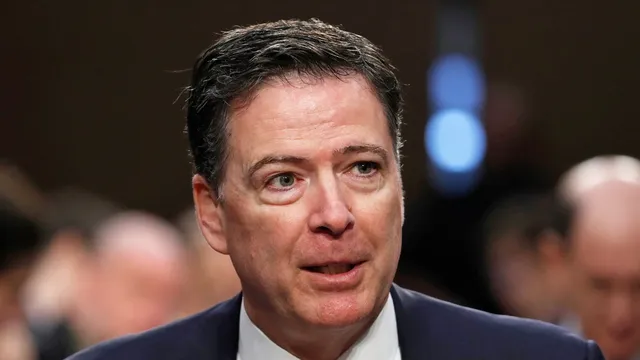
Judge orders disclosure of grand jury materials in James Comey case
Judge orders disclosure of grand jury materials in James Comey case
- A federal judge ordered prosecutors to provide grand jury materials in James Comey's criminal case, citing misconduct.
- The judge identified significant errors in the prosecution's handling of the case, raising issues of fundamental law misstatements.
- This ruling allows Comey to challenge the charges, highlighting potential irregularities in the grand jury process.
Story
In a Virginia federal court on November 16, 2025, Magistrate Judge William Fitzpatrick ruled that prosecutors must hand over grand jury materials related to the criminal case against former FBI director James Comey. This order came after the judge assessed the government's management of the case, identifying significant issues that suggested potential misconduct. The judge's ruling stated that the prosecution may have engaged in serious investigative errors, compromising the integrity of the grand jury. Concerns were raised about potential violations of Comey’s attorney-client privilege and fourth amendment rights. The judge's opinion made it clear that Comey's defense team needed access to these materials to prepare a robust challenge against the charges he faces. The two charges brought against Comey, one for making a false statement and another for obstructing a congressional proceeding, originated from his testimony about Russian interference in the 2016 presidential election. Comey has denied these allegations and began mounting a defense following the prosecution's case, which has been marred by procedural irregularities. Additionally, Fitzpatrick pointed out that the interim U.S. Attorney Lindsey Halligan, who was involved in the indictment, may have made critical misstatements regarding the law to the grand jury. These misstatements, combined with the potentially privileged nature of the information handled by Halligan, signal serious lapses in the prosecution's approach. The backdrop of Comey's case involves tensions with former President Donald Trump, who has consistently expressed animosity toward him since being fired from the FBI in May 2017. Given the ongoing legal battle, it is evident that the investigation is fraught with complications. The Department of Justice has faced scrutiny not only related to Comey's charges but alongside its broader controversies, including ongoing legal challenges involving other political adversaries of Trump, like New York Attorney General Letitia James. This situation illustrates the heightened stakes and significant scrutiny of legal proceedings involving figures who have occupied positions of power amidst political investigations and allegations of abuses in prosecutorial discretion.


