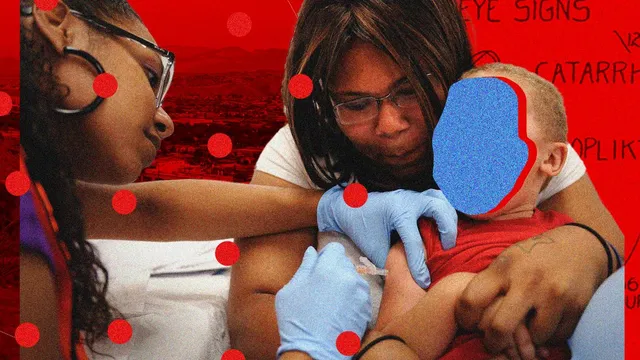
In the United States, particularly in Utah, pediatricians are witnessing a troubling resurgence of measles, a disease that had been largely eliminated in the country for over three decades. This alarming trend is attributed to a growing hesitancy among parents regarding vaccinations, often stemming from personal anecdotes of adverse reactions or a desire for natural health practices. Pediatricians like Tim Duffy report that many families are not outright anti-vaccine but are hesitant, believing they are making the best choices for their children. This hesitancy has led to increased cases of measles, with some children requiring hospitalization due to severe complications from the disease.
The situation is exacerbated by the fact that many parents are unaware of the potential severity of measles. Duffy describes the emotional toll of caring for children who suffer from preventable diseases, highlighting the grief experienced by families when they realize the consequences of their decisions. Pediatricians are faced with the challenge of addressing parental concerns while emphasizing the importance of vaccinations in preventing outbreaks. They often find themselves in difficult conversations, trying to convey the risks associated with not vaccinating children.
As the number of measles cases rises, public health officials are concerned about the implications for community health. The decline in vaccination rates not only affects individual children but also poses a risk to the broader population, particularly those who cannot be vaccinated for medical reasons. Pediatricians are calling for stronger public messaging and leadership to combat misinformation and encourage vaccination. They stress the need for compassion and understanding when engaging with hesitant parents, aiming to provide them with accurate information and support.
The return of measles and other preventable diseases is a clear indication that the public health landscape is changing. Pediatricians like Duffy are committed to advocating for vaccinations and educating families about the importance of immunization. They believe that with the right support and information, parents can make informed decisions that protect their children and the community at large. The ongoing dialogue between healthcare providers and parents is crucial in reversing the trend of vaccine hesitancy and ensuring the health and safety of future generations.