

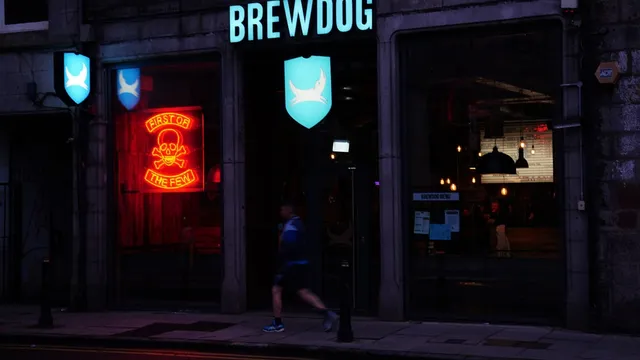
Tilray Brands acquires BrewDog's key US assets amidst major deal
Tilray Brands acquires BrewDog's key US assets amidst major deal
- Tilray Brands has acquired key BrewDog assets in the US, including locations in Ohio and Las Vegas.
- The acquisition follows a similar deal in the UK where BrewDog underwent restructuring, leading to job losses.
- This acquisition will enhance Tilray's strategy in the North American craft beer market.
Story
In recent months, Tilray Brands, a New York-based company known for producing medicinal cannabis and craft beer, announced its acquisition of certain assets belonging to BrewDog in the United States. This acquisition follows a significant rescue deal in the UK where Tilray purchased BrewDog's operations and preserved hundreds of jobs, although the deal resulted in the closure of many UK bars. The US assets acquired by Tilray include BrewDog's brewery and hotel located in Columbus, Ohio, as well as multiple bars across Ohio, a flagship pub in Las Vegas, and an airport bar in Columbus. This strategic move is intended to bolster Tilray's presence in the North American craft beer market and enhance consumer engagement through destination venues. By incorporating BrewDog's established locations and branding, Tilray aims to create opportunities for its own beverage portfolio, which includes craft beer offerings. The acquisition emphasizes Tilray's ambition to expand its beverage platform and solidify its craft beer strategy across North America. Irwin D Simon, the chief executive of Tilray, highlighted the strong brand presence BrewDog has achieved in Ohio and Las Vegas, indicating that these locations will allow for deeper consumer connections. This acquisition, however, comes after difficult times for BrewDog, resulting in significant job losses and the closure of several establishments in the UK during the recent transition. This transaction not only symbolizes Tilray's strategic positioning within the beverage industry but also illustrates the continuing volatility within the craft beer sector as companies adapt and restructure in response to market challenges. The enduring impact of the deal is likely to be felt across both markets as consumers begin to experience the offerings and changes that arise from this acquisition. While Tilray broadens its footprint in the US market, the repercussions of the UK deal serve as a reminder of the complexities and risks associated with corporate mergers and acquisitions in the evolving landscape of craft beverages.
Context
The impact of the Tilray acquisition on the craft beer industry represents a significant turning point in the landscape of beer production and distribution. Tilray, known primarily for its involvement in the cannabis market, has made strides into the beverage sector, including the acquisition of established craft breweries. This strategic move is poised to alter the dynamics of the craft beer market, traditionally dominated by small, independent breweries. As larger corporations like Tilray begin to invest in craft brewing, the concern among smaller brewers is that this could lead to a homogenization of flavors and experiences that consumers have come to love and expect from craft beer. Craft breweries pride themselves on their unique offerings, and with the influx of capital and resources from larger entities, there exists a looming risk that the individualism of craft beer may be overshadowed by mass-production techniques. On one hand, Tilray's resources could vastly enhance the operational capabilities of the acquired breweries, allowing them access to advanced technologies and broader distribution channels that were previously unattainable given their size. This could lead to an expansion in the variety and availability of craft beer options in the market, potentially attracting a new customer base. The influx of investment might also encourage innovation within the craft beer sector, as newly backed breweries may feel empowered to experiment with flavors and styles. Furthermore, by leveraging Tilray's experience in navigating regulatory landscapes, these breweries could find it easier to scale while remaining compliant with laws regarding alcohol production. Conversely, the acquisition raises questions about product integrity and the authenticity that consumers expect from craft breweries. Craft beer enthusiasts often seek products that are not only unique but also tell a story about their origins. As larger corporations become more involved, the risk of losing this storytelling aspect increases, leading to potential consumer backlash. This tension between maintaining craft integrity and achieving operational efficiencies presents an ongoing challenge for breweries that are now beholden to corporate interests. Additionally, this acquisition trend may prompt other large companies to pursue similar strategies, creating a ripple effect that could further integrate the craft beer sector into mainstream manufacturing practices. Ultimately, Tilray's acquisition of craft breweries underscores a powerful intersection between traditional brewing and contemporary business strategies. As the craft beer market continues to evolve amid these changes, it is critical for both consumers and producers to remain vigilant. The challenge lies in striking a balance between the advantages of corporate backing and the preservation of the distinctive qualities that define craft beer. The outcome of this evolution will be closely watched, with implications not only for the breweries themselves but for the broader market's perception of craft beer as a whole. Whether this integration leads to a flourishing craft beer scene or a dilution of its essence is yet to be determined.


