

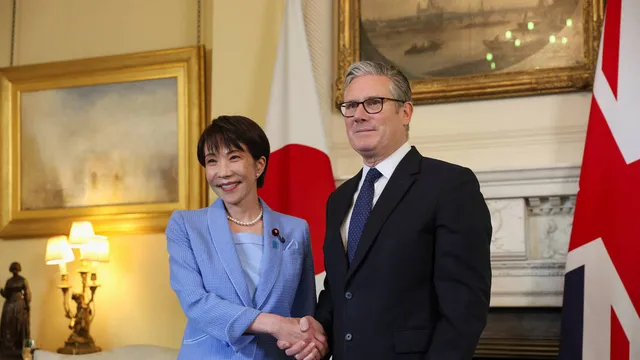
Japan invests £18 billion in UK infrastructure and energy sectors
Japan invests £18 billion in UK infrastructure and energy sectors
- Japanese firms will invest over £18 billion in the UK, focusing on infrastructure and offshore wind.
- The investment is expected to create tens of thousands of jobs amid a struggling UK economy.
- Experts warn that the ongoing US-Israel conflict may negatively impact the UK's economic growth.
Story
In a significant development for the UK economy, Japanese firms have committed to investing over £18 billion in various sectors, including infrastructure and offshore wind energy. This agreement was reached during a meeting between UK Prime Minister Sir Keir Starmer and Japan's Prime Minister Sanae Takaichi in London. The investment is expected to create tens of thousands of jobs, providing a much-needed boost to the UK economy, which has been struggling with sluggish growth and rising inflation. The deal includes more than £9 billion allocated for UK infrastructure and financial services, alongside a similar amount earmarked for offshore wind projects. The discussions also reaffirmed the commitment of both nations to collaborate on the Gcap fighter jet program, which is being developed in partnership with Italy. This collaboration highlights the strategic importance of defense and technology partnerships between the UK and Japan. Additionally, Rolls-Royce is set to work with Japan's Atomic Energy Agency to advance next-generation nuclear technologies, further solidifying the technological ties between the two countries. Despite the optimistic outlook presented by Downing Street, there are concerns regarding the immediate economic impact of the ongoing US-Israel conflict with Iran, which experts predict will adversely affect the UK economy. The International Monetary Fund has indicated that the UK is likely to be hit harder than other advanced economies due to this geopolitical situation. The Bank of England has also warned of rising inflation, which could reach 6% in a worst-case scenario, adding to the economic challenges faced by the country. While the investment deal is seen as a positive step towards long-term growth and job creation, critics, including the Conservative shadow business and trade secretary Andrew Griffith, have raised concerns about the potential negative effects of Labour's tax policies and regulations on businesses. The overall sentiment is that while the deal may provide a boost, the UK must navigate a complex economic landscape in the coming months, balancing immediate challenges with long-term opportunities for growth.
Context
strategic shift shift market market analysis analysis analysis trends insight data policy impact shift strategic analysis insight global analysis shift global strategic impact shift policy economic global geopolitical data policy trends shift global geopolitical data strategic economic analysis market impact data geopolitical economic analysis analysis geopolitical trends data trends global insight analysis analysis shift data impact policy trends trends strategic impact trends market analysis trends trends market shift economic geopolitical insight analysis global analysis analysis strategic strategic data shift shift...


