

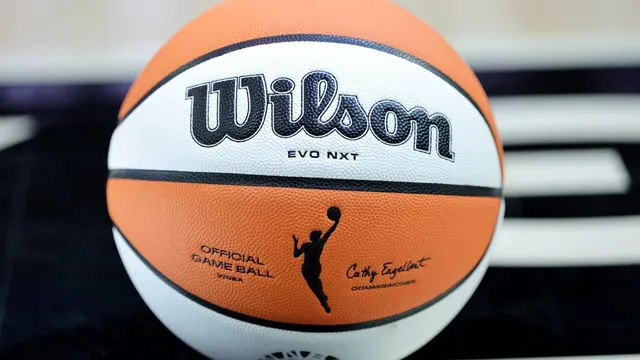
WNBA negotiations fail to reach agreement after marathon sessions
WNBA negotiations fail to reach agreement after marathon sessions
- The WNBA and its players' union have been negotiating for a new collective bargaining agreement but have faced significant hurdles.
- Both sides are struggling to agree on revenue sharing and player benefits, with a major issue being the exclusion of team housing.
- Despite intensive negotiations, including overnight sessions, an agreement has yet to be reached, raising concerns about the upcoming season.
Story
In the United States, the WNBA and its players' union have been engaged in intense negotiations over a new collective bargaining agreement. Recently, both sides met for an extensive 12-hour negotiation session, but ultimately no deal was reached. The talks were described as contentious, with both parties realizing the complexity of the issues at stake. Key players such as WNBA Commissioner Cathy Engelbert and WNBPA executive director Terri Jackson have been involved in these discussions, and they have expressed a commitment to continue negotiations moving forward. Central to the discussions are concerns over revenue sharing and player benefits, which have caused significant tension between the two parties. The players' union has been advocating for a fairer revenue-sharing model, originally asking for a larger percentage of gross revenue. However, after ongoing negotiations, they have reduced their request to 26%. In contrast, the league has stood firm on its revenue-sharing proposal, which offers about 70% of net revenue. This discrepancy highlights the difficulties both sides face in reaching an agreement. Moreover, the elimination of team housing as a player benefit has emerged as another critical issue, complicating the negotiations further. As discussions continue, the WNBA's deadline for finalizing a deal has already passed, adding urgency to the negotiations as the season is set to begin shortly. With training camps scheduled to open soon, both the league and the players' union must address these outstanding issues to ensure that the upcoming season is not disrupted. Negotiators have expressed a desire to reach a 'transformational deal' that would benefit players while also considering the long-term health of the league. The timeline for reaching an agreement remains tight, with free agent qualifying offers and a signing period approaching rapidly. The freeze on negotiations lasted for weeks, leading to concerns among players about transparency and communication. The recent round of talks has been characterized by a sense of cautious optimism. Players express a belief that actual movement has occurred in negotiations, yet significant gaps still need to be bridged to finalize any agreement.


