

Reform UK pledges to cut taxes in Scotland
Reform UK pledges to cut taxes in Scotland
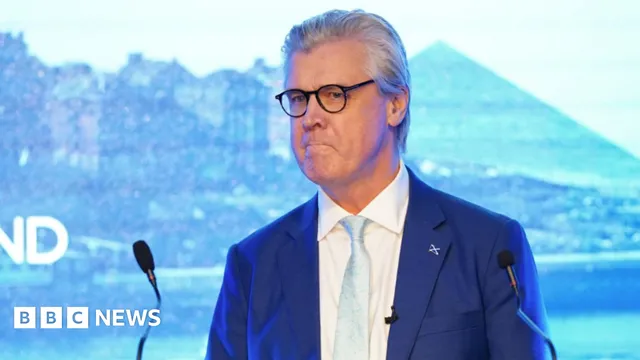
- Reform UK leader Malcolm Offord announced plans to cut taxes during the party conference in Scotland, aiming to boost economic success.
- The conference was marked by the presence of Nigel Farage who receives enthusiastic support, highlighting his role within the party.
- Offord's statements reflect a broader strategy to revamp Scotland’s economy and position within the UK amidst ongoing political debates.
Story
In March 2026, at the Reform UK conference in Bishopton, Scotland, party leader Malcolm Offord spoke about the party's tax plans and economic ambitions. Offord emphasized the need to cut taxes as a primary objective for the party, attracting significant support from attendees. The conference featured Nigel Farage, who received an enthusiastic welcome from the crowd, underscoring his influence within the party. Offord's positions were outlined against the backdrop of a broader political landscape in which the Scottish government has implemented a distinct income tax system. The Reform UK manifesto also promotes making Scotland a focal point of the UK's success while critiquing current policies regarding net-zero emissions. The idea is to reverse current trends seen by Offord as detrimental, calling for better management of public services like the NHS and a re-evaluation of how energy is managed in Scotland. The significance of the event lies not just in the presentation of policies but in the way it reflects ongoing political tensions in Scotland, especially regarding independence and fiscal autonomy. Both the conference and the report from the Labour Growth Group have raised dialogues about tax reform and the cost of living crisis in the UK, leading parties like Labour to also reconsider their tax strategies to appeal to voters. This dynamic indicates a shifting political environment, especially as leaders like Sir Keir Starmer prepare for challenges within their parties as polling indicates widespread public discontent with the existing economic situation.
Context
The current state of the Scottish independence movement is characterized by a complex interplay of political, social, and economic factors. As of March 2026, the momentum for independence has experienced fluctuations, influenced by recent electoral results, public opinion polls, and the evolving political landscape in both Scotland and the broader United Kingdom. The SNP (Scottish National Party) continues to be the dominant political force advocating for independence, utilising various platforms to express their aspirations for an independent Scotland. However, internal divisions and leadership challenges have also surfaced, raising questions about the party's cohesion and strategy moving forward. Public sentiment towards independence remains a critical variable in assessing the movement's viability. Recent polls indicate a divided electorate, with support for independence hovering around 45-55%, reflecting a significant but narrow path forward for the movement. Activists and pro-independence organizations have stepped up their outreach efforts, aiming to mobilize grassroots support and engage those who may be undecided. The impact of economic concerns, particularly in light of the UK’s economic recovery post-COVID-19, plays a substantial role in shaping public attitudes. Issues such as fiscal autonomy and the potential for an independent Scottish currency are at the forefront of debates among voters. The political context is also significant, particularly regarding the relationship between the Scottish Government and Westminster. The recent elections have seen a shift in the dynamics of power, with calls for second referendums becoming increasingly contentious. The UK government has consistently denied requests for a new referendum, citing the need for national unity and stability. This standoff not only complicates the Scottish Government's efforts but also fuels arguments that independence is essential for Scotland's political and economic self-determination. Moreover, the legality and implications of pursuing a referendum without Westminster's consent remain topics of extensive legal and political debate. International perspectives on Scotland's independence are another facet of the movement's current state. Global economic trends and political alliances are scrutinized, particularly regarding the European Union's stance towards a potential independent Scotland seeking membership. With rising nationalism across Europe, the implications for trade, migration, and international relations are crucial considerations for both proponents and opponents of independence. Overall, while the Scottish independence movement continues to navigate a challenging landscape, it remains a potent force within Scottish political discourse, reflecting broader themes of identity, governance, and the future of the union.


