

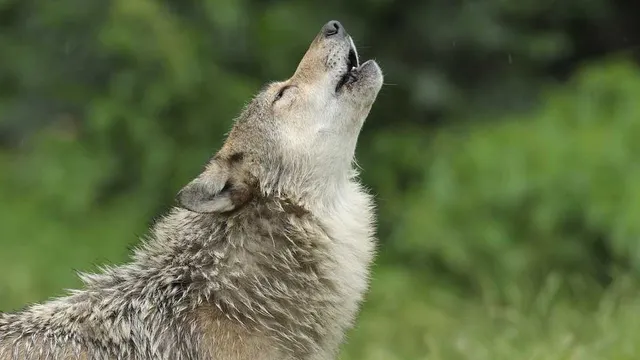
Ancient wolf discovery reveals human interaction with wolves
Ancient wolf discovery reveals human interaction with wolves
- Scientists discovered ancient wolf remains on Stora Karlsö, a remote island with no native land mammals.
- Genomic studies indicated these wolves lived alongside humans, sharing a diet rich in marine protein.
- The findings suggest complex interactions between prehistoric humans and wolves, challenging prior understandings.
Story
In Sweden, scientists have unearthed ancient wolf remains on Stora Karlsö, a remote island historically devoid of land mammals. The discovery, revealed through genomic analysis, indicates that these wolves lived between 3,000 to 5,000 years ago and had no native origins on the island, implying they must have been transported by humans. This remarkable find provides insights into the prehistoric relationship between humans and wolves, suggesting more complex interactions such as cohabitation and shared dietary habits, increasing our understanding of early human activities. The finding also raises questions about the dynamics of domestication, as the wolves exhibit behaviors that align with human settlements, such as a diet rich in marine protein typical for the inhabitants of the island. Some wolf specimens displayed signs of potential care by humans, such as one exhibiting advanced pathology in its limb bone, indicating that it may have survived without needing to hunt large prey. Furthermore, the presence of low genetic diversity among the wolves suggests isolation or controlled breeding practices, challenging existing perceptions of human-wolf interactions. This groundbreaking study involved collaboration among researchers from the University of Aberdeen, London’s Francis Crick Institute, and the University of East Anglia. The findings were published in the Proceedings of the National Academy of Sciences and may revise our understanding of the timing and nature of domestication processes—highlighting that their interactions with humans were likely nuanced rather than simply predatory or avoidant. As scientists continue to investigate these remains, the implications of such discoveries echo throughout the field of archaeology and genetics, suggesting that early human societies had complex relationships with various fauna, including wolves. This revelation could change the lens through which we view aspects of domestication and the shared coexistence of humans and wild animals across historical contexts.
Context
impact market shift policy impact geopolitical data shift impact market impact insight global shift analysis global shift analysis analysis shift strategic trends impact geopolitical data insight policy geopolitical impact global global trends analysis strategic geopolitical market trends analysis policy analysis trends strategic geopolitical geopolitical market data strategic market data analysis strategic strategic data strategic trends data data impact policy trends policy geopolitical policy policy insight data global trends analysis global insight global insight trends global strategic geopolitical economic policy strategic...


