

Women over 35 can still conceive naturally, says expert
Women over 35 can still conceive naturally, says expert
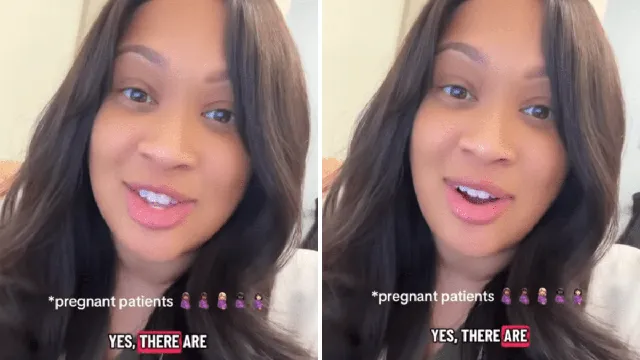
- There is a high prevalence of women over 35 attempting to conceive in Monica Elston Carter's clinic.
- The term 'advanced maternal age’ is meant to guide care rather than discourage conception attempts.
- Women over 35 can conceive naturally and lead healthy pregnancies, emphasizing the importance of hope and proactive health measures.
Story
In the United States, Monica Elston Carter, an obstetrics and gynecology nurse practitioner based in Washington, D.C., provides valuable insights for women attempting to conceive after the age of 35. Within her clinical practice, she frequently observes that more than half of her patients are in their late 30s and early 40s, countering the narrative around 'advanced maternal age' that often invokes fear among women. Within this context, she articulates the growing concern regarding misconceptions surrounding fertility and aging. Carter addresses the common belief that women have missed their opportunity to conceive if pregnancy does not occur by age 35, highlighting that while fertility does decline with age, many women still achieve successful pregnancies. She strongly advocates for a more nuanced understanding of the term 'advanced maternal age,' explaining that it is designed to enhance medical care rather than discourage women from pursuing pregnancy. Many women can conceive naturally and enjoy healthy pregnancies in this age range, upending the stigma attached to aging and fertility. To better support their reproductive health, Carter encourages women over 35 to prioritize preconception care. This involves routine health evaluations and lifestyle improvements before conception, which could significantly impact the overall outcomes. Carter also recommends couples to consider male factor infertility, which is common yet often overlooked, urging them to include semen analysis in their evaluations. By addressing both partners' issues, couples can create a more effective pathway to conception. Furthermore, having a supportive care team is crucial for navigating the complexities of pregnancy at an older age. Carter underscores the importance of choosing healthcare professionals who listen and respect individual goals while offering the necessary monitoring and support. Empowered and informed patients generally report better experiences while trying to conceive. This comprehensive approach allows women and couples to transcend fear and misunderstanding, reinforcing that, although pregnancy risks increase with age, hope remains integral to the conversation about fertility for those over 35.


