

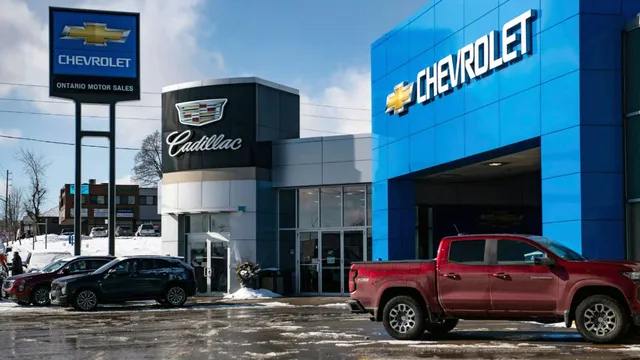
General Motors faces $7.2 billion loss after EV strategy shift
General Motors faces $7.2 billion loss after EV strategy shift
- General Motors incurred a $7.2 billion financial charge as it adjusts its electric vehicle strategy.
- The company reported a strong fourth-quarter performance, yet the EV market is affected by policy changes.
- GM aims for cost reductions while expressing optimism for the electric vehicle sector's long-term future.
Story
In the United States, General Motors made a significant announcement about their financial performance, revealing they incurred a multibillion-dollar charge as part of a strategic realignment of their electric vehicle (EV) strategy. The restructuring comes after the automotive giant released its 2025 financial results and provided an outlook for 2026, which painted a grim picture of declining consumer demand for EVs. GM reported a net income attributable to stockholders of $2.7 billion against an EBIT-adjusted figure of $12.7 billion, but the heavy charge of $7.2 billion overshadowed these results. The company attributed these special charges primarily to anticipated drops in demand for electric vehicles and adjustments to their EV manufacturing capacity and investments. Factors contributing to the expected decline include policy shifts under the Trump administration, most notably the removal of federal tax credits for EV purchasers that previously helped incentivize consumers. The loss of the $7,500 tax credit at the end of September has already begun to impact sales, as GM tries to manage costs and refocus its strategy in this changing market environment. In response, GM's leadership is working to enhance cost efficiencies, with plans to achieve savings of $1 billion to $1.5 billion in its EV business through restructuring. According to GM CEO Mary Barra, the company remains optimistic about the future of EVs despite current challenges, affirming that electric vehicles still represent the ultimate goal for the company. Senior executives expect that easing emissions regulations will significantly mitigate some of the financial pressures the company faces, projecting potential savings of up to $750 million from no longer requiring credits to meet fuel efficiency regulations. Despite these hurdles, there are indications of a financial rebound as the company's fourth-quarter profits exceeded analysts' expectations, illustrating that the stock price saw an increase of over 8.5% in trading sessions shortly after the announcements. Nevertheless, GM is bracing for challenging financial dynamics in the near future, aggressively pursuing measures to cut costs while also facing projected tariff expenses estimated between $3 billion and $4 billion in the current year, which they aim to alleviate with a variety of mitigation strategies they had effectively deployed in the past.


