

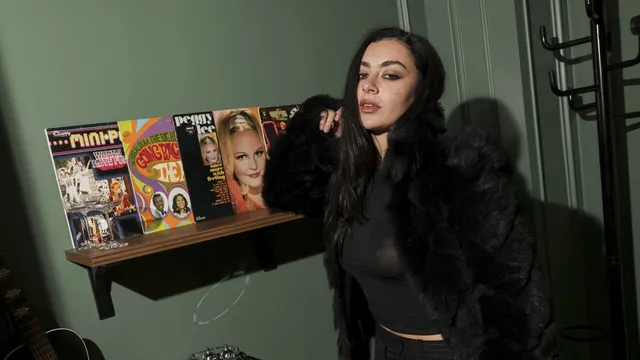
Jason Bateman suggests Charli XCX might reconsider having kids
Jason Bateman suggests Charli XCX might reconsider having kids
- Jason Bateman questioned Charli XCX about her views on parenthood during a podcast episode.
- Charli XCX expressed her disinterest in having children and noted her confidence in that choice.
- The backlash against Bateman highlights ongoing societal challenges regarding women's reproductive decisions.
Story
In the months preceding February 2026, Jason Bateman faced criticism following a controversial exchange with Charli XCX during an episode of the SmartLess podcast. The discussion began when Bateman and his co-hosts delved into the topic of parenthood with Charli XCX, who shared her views on not wanting children. When presented with the question of whether being an only child influenced her perspective on having kids, Charli firmly stated her choice, explaining that her reluctance felt more like self-awareness than indecision. This moment highlighted societal pressures surrounding women’s reproductive choices and the assumption that women may change their minds about motherhood. Following Charli's candid response, Bateman attempted to validate her feelings by sharing a personal anecdote about his wife, Amanda Anka, who initially didn't want children. However, he suggested that Charli might eventually find someone who would change her mind. This comment was met with a quick and light-hearted retort from Charli, as she pointed out that she was already married to George Daniel, the drummer for The 1975. The dynamic exchange sparked a backlash from listeners online, who voiced their concerns about Bateman's assertion that a woman’s reproductive choice could be changed through personal relationships. Despite the backlash, some defended Bateman, deeming the interaction as harmless banter. The incident raises questions about society’s perception of women’s choices regarding motherhood, and emphasizes the need for a broader dialogue that respects women’s autonomy. More importantly, it highlights the societal expectation that women’s life choices should align with traditional roles, an expectation that does not typically apply to men. This discrepancy reveals a lingering gender bias in societal attitudes concerning parenthood. Overall, the incident reflects deeper cultural issues at play when discussing motherhood and women's choices, concluding that open dialogues about such personal decisions are essential in a society that continues to grapple with evolving gender roles. As societal norms change, the importance of allowing women to voice their choices without question remains crucial, fostering an environment conducive to acceptance and understanding of diverse perspectives on family and parenthood.


