

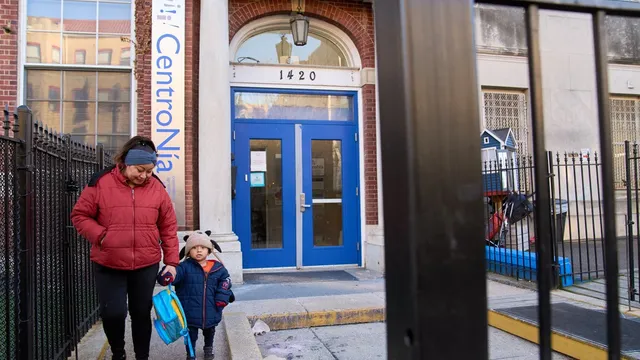
Child care industry suffers as immigration policies spark fear among workers
Child care industry suffers as immigration policies spark fear among workers
- President Trump's changes to immigration enforcement have put child care workers' jobs at risk.
- Increased ICE presence has led to heightened anxiety and a drop in staff at places like CentroNía.
- The stress among immigrant workers reflects broader issues in the child care sector due to immigration policy changes.
Story
In the United States, immigration policies implemented by President Donald Trump significantly impacted the child care industry, especially affecting its reliance on immigrant workers. Following Trump's inauguration in January, changes were made to immigration enforcement that allowed Immigration and Customs Enforcement (ICE) officials to operate in areas that were previously considered safe zones, such as schools and child care centers. This led to a heightened atmosphere of fear among immigrant workers, prompting many to reconsider their employment in the field. The impact was vividly illustrated when a teacher at CentroNía, a bilingual preschool, was arrested in October after fleeing from ICE officials. This incident startled both staff and families who were already anxious about immigration raids and potential deportations. CentroNía CEO Myrna Peralta confirmed that the preschool lost two employees who were affected by their Temporary Protected Status (TPS) being revoked; in addition, a Nicaraguan teacher voluntarily left due to the changing political landscape. CentroNía's operations adapted in response to these policies, and staff began taking precautions to shield themselves and the children they care for from potential ICE encounters. Activities that once comfortably took place outside in the community moved indoors, reflecting the pervasive anxiety among workers. Despite most immigrant child care workers residing legally in the U.S., many felt the consequences of immigration policies and were increasingly anxious about interactions with immigration officials. Reports indicated that some staff experienced severe stress, leading to incidents of panic attacks during school hours, prompting the school to prioritize mental health support for their employees. The situation escalated when a staff member was detained by ICE while walking near the preschool, further demonstrating the urgent need for protective measures for both workers and families relying on early childhood education services. As the Trump administration continued its crackdown on immigration, the child care sector faced not only a decline in available workers but also an increase in mental health challenges among those remaining. Schools once deemed safe for immigrant families transformed into spaces fraught with anxiety and concern. The fear surrounding deportation has thus been creating a dire situation for immigrant child care workers and the families they serve, highlighting the delicate balance between immigration enforcement and the well-being of children in these educational environments.
Context
market global market data geopolitical analysis shift data shift analysis impact strategic market impact shift analysis shift impact analysis policy impact global trends economic data trends analysis trends policy analysis impact impact analysis global insight shift impact economic insight global shift policy analysis trends market market impact economic economic insight impact analysis insight strategic shift geopolitical policy global geopolitical economic shift insight trends insight market shift analysis policy impact analysis market impact market strategic policy global market trends shift shift...


