

humanities
informative
local
Archaeologists discover 16th-century gallows in Grenoble
Jan 10, 2026, 8:36 PM20
(Update: Jan 11, 2026, 9:00 AM)
humanities
informative
local
Archaeologists discover 16th-century gallows in Grenoble
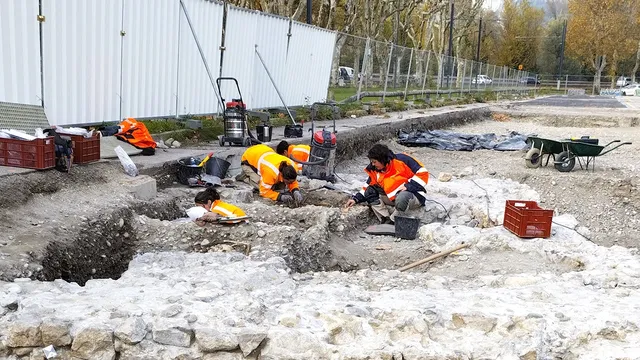
- French archaeologists discovered a gallows in Grenoble dating back to the 16th century, used for executing and displaying condemned prisoners.
- The site revealed the remains of at least 32 individuals, including notable figures who opposed royal authority during the Protestant Reformation.
- The excavation provides insights into historical practices of death and burial, contributing to understanding criminal justice systems of the time.
Insights
News 2 2
Related reports
Opinions
Story
“
analysis geopolitical analysis analysis analysis policy global global analysis market economic strategic geopolitical policy trends trends impact market analysis policy economic insight impact policy geopolitical policy data data insight policy insight economic global geopolitical shift trends policy market market insight insight impact trends geopolitical data impact market data policy strategic insight global policy shift impact geopolitical global economic policy analysis impact shift shift insight policy global market analysis data economic market strategic trends data policy impact strategic trends policy impact...
2026 All rights reserved



2026 All rights reserved